At a glance
- Texture is an important driver of satisfaction, and most consumers will consider switching brands if expectations are not met1
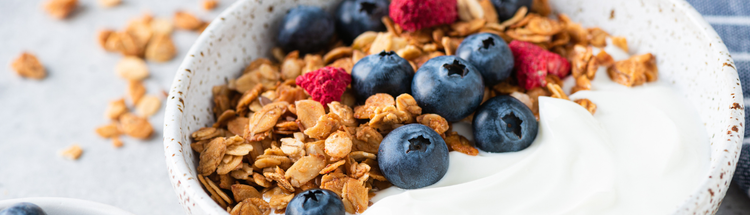
- Multitextural contrasts can create more engaging eating experiences, aligning with proprietary research showing consumers prefer foods with multitexture and multiflavor appeal1
- Texture must be designed using elements of structure and process and cannot simply be added
- Texture complexity can influence how consumers experience satisfaction during eating
Why texture is shaping product success
Flavor has long been a key focus in food and beverage innovation. Today, texture is playing an increasingly visible role in whether products succeed or fail.
Increasingly, consumers are not just looking for products that taste good, they are seeking experiences that entertain, comfort and feel worth talking about. Texture plays a critical role in delivering that engagement, particularly in better-for-you products where it can add interest, variety and perceived indulgence without relying on flavor alone.
Consumers may not always describe texture in technical terms, but they respond to it immediately. It often signals quality before flavor fully develops and helps determine whether a product feels indulgent, satisfying or worth purchasing again.
When texture falls short, the impact can be significant, with most consumers saying they would consider switching brands if they are dissatisfied with texture.1
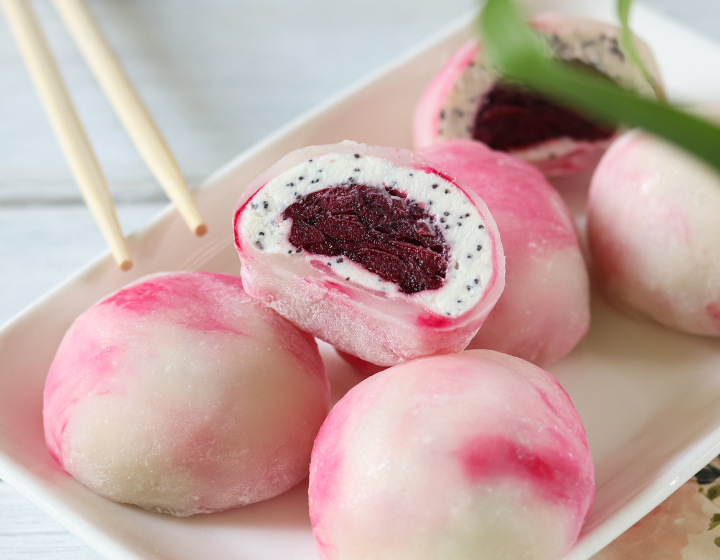
At the same time, expectations are evolving. Texture is no longer just a supporting sensory property. It shapes how consumers interpret flavor, how they perceive quality and how they experience a product overall. Increasingly, consumers are drawn to experiences that feel dynamic and layered rather than static. Texture plays a central role in delivering that kind of engagement, making it a key driver of both satisfaction and differentiation.
Importantly, texture does more than influence preference. It also shapes how people eat.
Certain textural characteristics, such as complexity, invite consumers to interact more with the product as they eat. This creates a more engaged and attentive eating experience, where the product unfolds over time rather than being consumed in a single, uniform way.
In this way, texture operates on multiple levels. It signals quality and quietly (or loudly ― looking at you crunchy and crispy) defines the eating experience. Together, these effects make texture a critical factor in how products are experienced, evaluated and ultimately chosen.
Texture is designed, not added
While flavor can often be fine-tuned later in development, texture does not typically offer the same flexibility. Final texture is typically established early in formulation and process design.

Because of this, texture must be considered early in product design, including formulation. Texture is not easy to materially change after production. This also explains why texture can be difficult to get right. The same characteristic, such as firmness or thickness, can be appealing in one product and unpleasant in another. The surrounding system determines how it is perceived.
Rethinking texture: From attributes to interactions
Texture is often described as a single attribute, but in reality, all foods express multiple textural properties at once. The texture experience is better understood through higher-level variables like complexity rather than individual attributes in isolation. Texture complexity can be defined as the presence of multiple concurrent tactile sensations, signals that are processed simultaneously in the mouth rather than one at a time.
Consumers perceive combinations, such as crisp with creamy, firm with juicy or smooth with particulate. In fact, foods that are liked tend to be described using more texture combinations than disliked foods2, reinforcing that complexity is a key driver of enjoyment and preference.
Texture complexity can be designed in two fundamental ways: it can emerge over time during oral processing, or it can be built directly into the structure of the product.
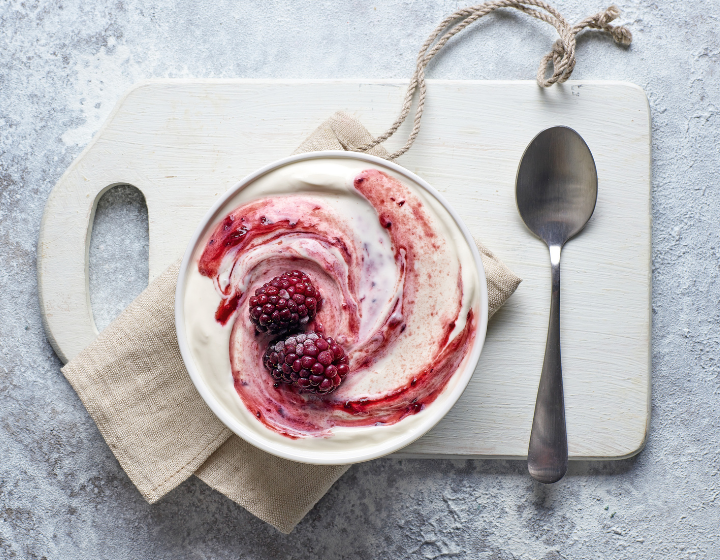
Chocolate is a classic example of temporal development. It begins as a firm, brittle solid at first bite, then transitions into a smooth, flowing liquid as it melts, shifting the tactile experience dynamically in the mouth. Greek yogurt is another example that shows dynamic texture development. It begins as a dense and spoonable gel, then becomes progressively smoother and more fluid as it is worked in the mouth, shifting the tactile experience in each bite.
In contrast, foods like pizza demonstrate built-in, concurrent complexity. The crispy crust and chewy cheese deliver multiple tactile sensations at the same moment, creating a layered experience that does not rely on transformation to emerge.
The key is not any single texture, but how textures interact as they either unfold over time or present all at once. These combinations of textures help keep the eating experience engaging. Humans tend to stop noticing sensations that stay the same. When we perceive multiple textures, it keeps the brain engaged and makes the experience more interesting. This is especially important in the competitive landscape of better-for-you products, where consumers want healthy options but are unwilling to compromise on an engaging eating experience.
Why contrast works and why congruency matters
Texture contrast is effective because it introduces variation and creates a more dynamic eating experience, helping prevent the product from feeling one-dimensional.
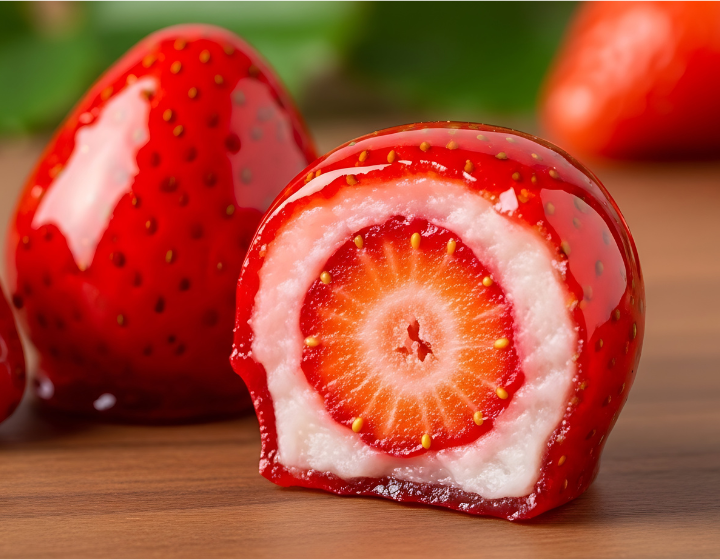
However, contrast alone is not enough to create a positive experience. The different textures also need to work together. This is where congruency comes in.
Congruency refers to how well different textures align with each other. It includes how they behave structurally, how they break down during eating and how they change over time.
For example, if one part of a product breaks down too quickly while another remains firm, the experience may feel disconnected. If textures compete with each other instead of complementing each other, the product may feel unbalanced.
When textures are congruent, they feel coordinated. The transitions are smooth and intentional. Even if there are multiple textures, the product feels like a single, cohesive experience.
A simple way to think about it is this:
- Contrast creates interest
- Congruency creates harmony
Together, they shape whether a product feels exciting but balanced, rather than chaotic or one-dimensional. Both are needed to design successful products.
Finding the right level of complexity
As texture becomes more important, there is a natural tendency to add more variation. However, more complexity does not always lead to better results.
Texture complexity has an optimal level, and that level depends on the category and the context. Some products benefit from multiple layers of texture, while others perform better with a simpler profile.
Complexity can come from several sources:
- Mechanical characteristics such as firmness or thickness
- Geometric characteristics like shape or structure
- Hydration characteristics that include moisture release or juiciness
The goal is not to add as many elements as possible. The goal is to design them in a way that feels intentional and balanced. For better-for-you products, this balance is especially important. Texture can help deliver a sense of variety and satisfaction without adding extra sugar, fat or salt.
Bringing texture complexity to life
A multilayered beverage provides a good example of how texture can be designed intentionally. Imagine a product that includes a smooth base, a structured foam and soft inclusions.
Each element contributes something different. The foam adds lightness and creaminess. The base provides body and balance. The inclusions introduce variation and interest.
This layered experience is part of what makes food feel more interesting and satisfying. Rather than delivering the same sensation in every bite, complex textures create variation, giving consumers something new to notice and respond to as they eat.
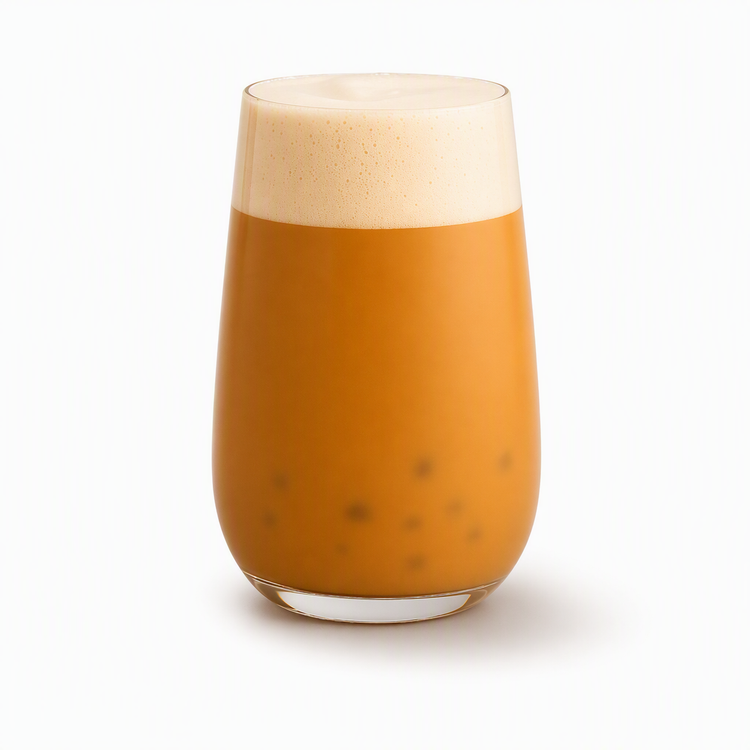
The key is how these elements work together. The textures need to transition smoothly and complement each other. If they are aligned, the result is a cohesive and engaging experience rather than a collection of separate parts.
How the beverage is consumed can further shape that experience. Whether it is sipped, consumed through a straw or eaten with a spoon, each format changes how the layers are perceived, from fully blended to more distinct and sequential. This variability allows consumers to shape their own experience, making the product feel more interactive and personalized with each use.
What this means for innovation
As texture becomes more central to product success, it requires a more deliberate approach to design. Texture cannot be treated as a single attribute. It needs to be considered as a system that evolves over time and reflects how different elements interact during consumption.
This means designing for texture progression, not just the first bite or sip. It also means balancing contrast with congruency so that products feel both engaging and cohesive. Sensory goals must be aligned with processing realities to ensure that the intended experience can be delivered at scale.
When approached this way, texture moves beyond being a technical detail. It becomes a strategic tool that can influence satisfaction and differentiation.
Flavor is inherently important, without doubt. However, creating a point of differentiation and distinction may actually be better achieved through texture. Looking ahead, food design will increasingly be defined by how products evolve and engage over time, not just a novel flavor. Texture plays a central role in shaping those experiences and how they are remembered.
For innovators, the opportunity is clear. Texture is not just something to optimize. It is something to design with intention.
Partnering with experts who understand the full complexity of texture, from formulation through processing and sensory perception, can help bring these experiences to life. Through integrated insights, technical expertise and deep application knowledge, Ingredion helps customers design textures that deliver both functional performance and consumer impact.
Meet the experts
Related content and resources
Developing texture is never a single decision—it’s a system shaped by science, ingredients and sensory experience.
Explore how deeper insights into texture, from plant-based innovation to culinary science and consumer perception, can help bring complex, engaging food experiences to life.
Elevating every bite: Where science meets experience
Discover how science, sensory insights and culinary expertise combine to optimize texture, helping brands create scalable, delicious products consumers prefer.

Grown for texture: How plant science is reshaping ingredient innovation
Discover how Ingredion is designing texture at the source, using advanced plant science to create consistent, high‑performing ingredients that elevate food experiences from the ground up

Crunchy, creamy, silky, stretchy: Why texture is the secret ingredient in food innovation
Discover why texture is key to food innovation. Explore how crunch, creaminess, stretch and silkiness elevate the eating experience.
Sources:
- ATLAS Ingredion proprietary consumer research, 2025
- Pellegrino, R., Cheon, B. K., Forde, C. G., Oleszkiewicz, A., Pieniak, M., & Luckett, C. R. (2020). The contribution of texture contrasts and combinations to food acceptance across cultures. Journal of Texture Studies, 51(2), 225-231.