At a glance
- Clean label is increasingly shaped by consumer perceptions and priorities rather than a single set of criteria.
- Consumers reward products that align with their expectations for transparency, nutrition, sustainability and value.
- Brands face growing pressure to balance ingredient simplicity with affordability, functionality and sensory experience.
- Success is less about achieving a perfect label and more about making the changes that matter most to consumers.
Fast facts
- 49% of consumers actively seek clean label products1
- 65% report increasing clean label purchases over the last five years1
- Consumers no longer evaluate clean label products on ingredients alone; they increasingly expect transparency, nutrition, sustainability and value together1
- Taste remains one of the most important drivers of repeat purchase1
- Affordability remains a key barrier to adoption1
What do consumers actually mean by clean label?
Definition:
Clean label generally refers to products formulated with recognisable ingredients, transparent labelling practices and ingredient choices designed to meet evolving consumer expectations.
Is clean label still growing?
Short answer: Yes, but consumer expectations are evolving.
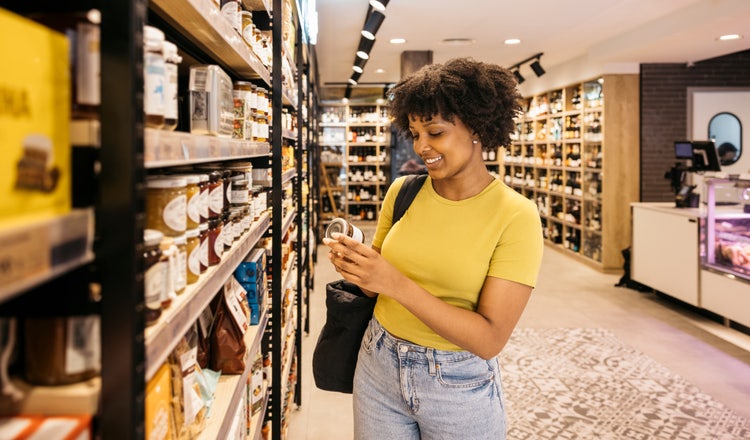
Clean label is no longer a niche preference. According to Ingredion research, 49% of consumers actively seek clean label products, and 65% report increasing their clean label purchases over the past five years.¹
The bigger story isn’t that clean label is growing. It’s that consumers are redefining what progress looks like. Many aren’t evaluating products against a fixed standard of “clean enough.” Instead, they’re rewarding products that feel more transparent, more aligned to their values and better suited to their needs.
Today, consumers are evaluating products through multiple lenses simultaneously, and they have expectations for ingredient transparency, nutrition, sustainability and value. The ingredient list may be where the evaluation begins, but it is only one part of the decision.
What makes a product clean label?
Short answer: While there isn’t a universal definition, several themes consistently emerge.
Ingredion research found that consumers most commonly associate clean label with recognisable ingredients, transparency and products that feel natural and minimally processed.¹
At the same time, Innova Market Insights reports growing consumer interest in ingredient sourcing, environmental impact and broader product transparency, suggesting that clean label expectations are expanding beyond the ingredient statement itself.²
For manufacturers, this means clean label is becoming less about adhering to a universal definition and more about understanding what builds confidence in a particular category.
Why do so many clean label initiatives stall?
Short answer: Because many brands still approach clean label as an endpoint.
The industry often frames clean label as something brands must fully achieve before they can act. That mindset can create hesitation, especially when teams are balancing affordability, nutrition, functionality and consumer perception simultaneously.
In reality, consumers often reward meaningful progress long before a product reaches anyone’s ideal definition of “clean.” The challenge isn’t doing everything at once. It’s identifying which changes create the greatest impact and building from there.
Are consumers willing to compromise on taste for a cleaner label?
Short answer: Usually not.

Consumers may scrutinize ingredient labels, but sensory experience remains a powerful driver of repeat purchase.
Ingredion consumer research suggests that while consumers actively seek cleaner labels, taste remains among the most important purchase considerations.¹
This creates a challenge for product developers. Ingredients that consumers may want to avoid often contribute to texture, stability, sweetness, shelf life or overall eating experience.
As a result, successful reformulation requires balancing label aspirations with product performance.
Is nutrition becoming part of the clean label conversation?
Short answer: Increasingly, yes.
Historically, clean label was often associated with avoiding ingredients consumers perceived negatively.
Today, consumers are also seeking products that actively support wellness goals. According to Innova Market Insights, protein, fibre, digestive health and reduced sugar continue to rank among the fastest-growing areas of consumer interest.³
This shift is creating a convergence between clean label and positive nutrition.
Consumers increasingly want products with recognisable ingredients, but they also want products that provide meaningful nutritional benefits. The result is a more complicated formulation challenge and a broader opportunity for innovation.

What's the biggest reformulation challenge today?
Short answer: Balancing everything at once.
Consumers want more from products than ever before.
They want:
- Clean labels
- Better nutrition
- Great taste and texture
- Affordable prices
- Sustainability progress
The challenge is that those goals often compete with one another.
Ingredion's clean label research identified affordability as one of the biggest barriers to clean label adoption, highlighting the tension between consumer aspirations and purchasing realities.¹
For product developers, this means reformulation is increasingly becoming an exercise in prioritisation rather than optimisation.
Is clean label becoming a trust signal?
Short answer: In many cases, yes.
Innova research shows that naturalness and transparency remain among the strongest signals consumers use when evaluating food and beverage products.²
At the same time, Ingredion's consumer research suggests consumers increasingly connect clean label with broader concepts such as quality, nutrition and brand credibility.¹
The implication is that ingredient labels are often helping consumers answer a larger question: Can I trust this product?
That makes clean label much more than a formulation objective. It becomes part of how consumers evaluate the overall product experience.
Importantly, trust is rarely built through a single ingredient decision. It is built through a series of decisions that shape how a product comes across to consumers.
What clean label trends should food and beverage innovators be watching next?
Short answer: The convergence of clean label, nutrition and value.
The most significant clean label developments over the next several years may not come from ingredient removal alone.
Instead, innovators should watch the intersection of:
- Clean label
- Protein enrichment
- Fibre support
- Sugar reduction
- Sustainability
- Affordability
As these priorities continue to converge, successful innovation will require balancing multiple consumer expectations at once.
From Ingredion's perspective, this is why clean label is not a pass/fail exercise.
It's a set of deliberate decisions that shape how food comes across to consumers, built through confident progress rather than a single end point. Brands don't need to wait until they've "arrived" at clean label. They can move forward step by step, making informed choices about what should change, what should be protected and where tradeoffs create value.
By combining consumer insights with formulation expertise and real-world application knowledge, manufacturers can move beyond trial-and-error and create a more practical path toward growth.
Looking ahead
Clean label remains one of the strongest signals consumers use when evaluating food and beverage products.¹
But increasingly, consumers aren’t asking whether a product is perfectly clean. They’re deciding whether it feels better than the alternatives available to them.
That’s why Ingredion views clean label differently.
Clean label is not a pass/fail test. It’s a series of decisions that shape how consumers experience a product, from ingredient perception to nutrition, taste, texture and trust.
Brands don’t need to do everything at once. They need to know what matters most, what to do next and where progress will create the greatest value. Because clean isn’t something you achieve, it’s something you pursue.
Guide: Unlocking growth through a smarter clean label approach
Clean label gives brands a clear opportunity to add meaningful consumer benefits and, in many cases, create sustainable business value, including increased sales, premium pricing and positive impacts on brand perception. See how you can get ahead today.
Meet the expert
Related content and resources
As clean label expectations continue to expand, successful innovation requires balancing transparency, nutrition, taste and affordability. Discover how ingredient innovation, texture expertise and sugar reduction solutions can help bring cleaner-label products to life without compromising the consumer experience.

Unmatched sugar reduction without food additives
Clean Taste Solutions help brands improve their product appeal by removing artificial sweeteners and added sugars and tailoring unique stevia solutions to fit the specific product category and sugar reduction target.

Grown for texture: How plant science is reshaping ingredient innovation
Discover how Ingredion is designing texture at the source, using advanced plant science to create consistent, high‑performing ingredients that elevate food experiences from the ground up.

The Stevia Institute
The Stevia Institute provides science-based information about stevia, a plant-based, zero calorie, sustainable sweetener of natural origin.
Sources
- Ingredion Proprietary Clean Label Consumer Research (2026)
- Innova Market Insights: Clean Label & Consumer Trust Trends (2024–2025)
- Innova Market Insights: Health & Nutrition Trends (2025)