By Soumi Ray, Senior Manager, Global Applications, Savory
Discover how Ingredion helps brands navigate the complexities of reformulation for consumers demanding less sugar in their food
At a glance
- Sugar plays multiple functional roles in savory products beyond sweetness, including balancing acidity, enhancing umami and improving mouthfeel and texture
- Removing sugar without compensatory strategies often results in flat flavor, thin texture and diminished consumer appeal
- New product launches with no added sugar claims have a compound annual growth rate of 4.24% globally3
- 64% of consumers worldwide are trying to reduce their sugar intake, creating both challenges and opportunities for brands1
- Ingredion offers comprehensive solutions focusing on functional build-back (FBB) to help brands reformulate savory products while maintaining taste, texture and clean label appeal
Why do some savory foods taste and feel perfectly balanced while others miss the mark? The answer often lies in an unlikely ingredient: sugar. While consumers increasingly demand lower sugar content across all food categories, many don't realize that sugar plays key roles in their favorite savory products — from tangy barbecue sauces to comforting tomato soups.
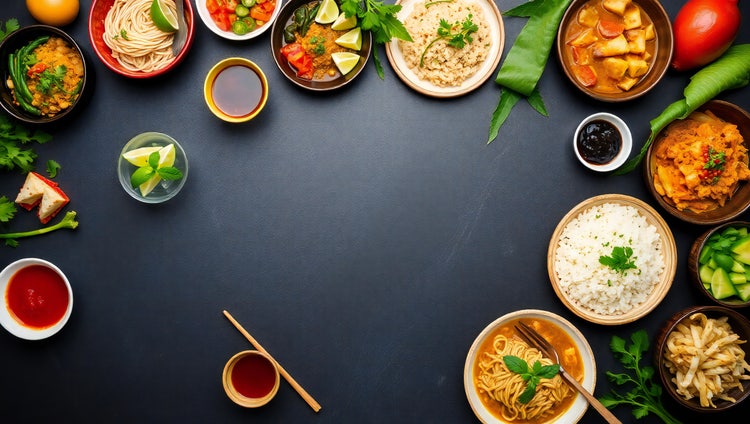
Savory describes foods with a rich, hearty, non-sweet taste profile. At its heart is the umami flavor, the fifth basic taste alongside sweet, sour, salty and bitter. Umami delivers that deeply satisfying, mouthwatering quality experienced with aged cheeses, ripe tomatoes, soy sauce and slow-cooked meats. Understanding this flavor dimension is important for brands navigating today's reformulation landscape.
In this article, you'll get a closer look at sugar's hidden role in savory formulations and see how Ingredion helps brands meet modern demands with innovative and versatile solutions that do not compromise on taste or texture.
Sugar's functional role in savory formulations
Aside from adding sweetness, balancing acidity is one of sugar's most critical functions. In dressings, marinades and tomato-based sauces, sugar moderates sharp acidic notes, creating a more rounded, well- balanced flavor profile. Without adequate sugar, these products will taste one-dimensional and somewhat off-putting for many. The interplay between sweet and sour creates the complexity that keeps consumers reaching for another bite.
Enhancing umami is another one of sugar’s key contributions. Sugar works synergistically with savory components to amplify umami depth. It rounds out flavor profiles in ways that aren't immediately obvious but become noticeable when absent. In applications like barbecue sauces, Asian-inspired glazes and savory meat products, this enhancement is essential for achieving the craveability that drives repeat purchases.
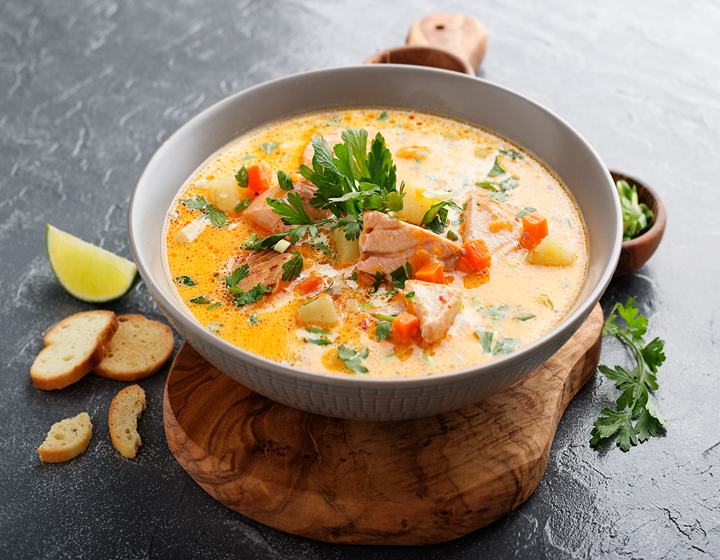
Sugar also interacts with other ingredients to create craveable savory experiences. In complex formulations, it can moderate saltiness, balance spice heat and contribute to the overall sensory satisfaction that makes products memorable.
In addition to the eating experience, sugar plays a key role in maintaining shelf life. It helps reduce water activity by binding with available moisture, which is critical in preventing the growth of spoilage microorganisms, especially in shelf-stable products.
All these functions make sugar reduction a complex challenge requiring holistic solutions.
Forces reshaping savory product development
The savory reformulation landscape is undergoing a profound transformation, driven by a convergence of consumer expectations, regulatory mandates and market trends.
Consumers are increasingly scrutinizing ingredient lists, prioritizing simplicity and transparency. They want products made with recognizable components and fewer additives. For today’s informed shopper, clear and honest labeling is no longer optional — it’s essential.
Global regulatory bodies have also taken notice and are tightening requirements around food labeling, particularly concerning sugar disclosure. In the U.S., for example, nutrition labels now display added sugars in grams and as a percentage of the recommended daily value.
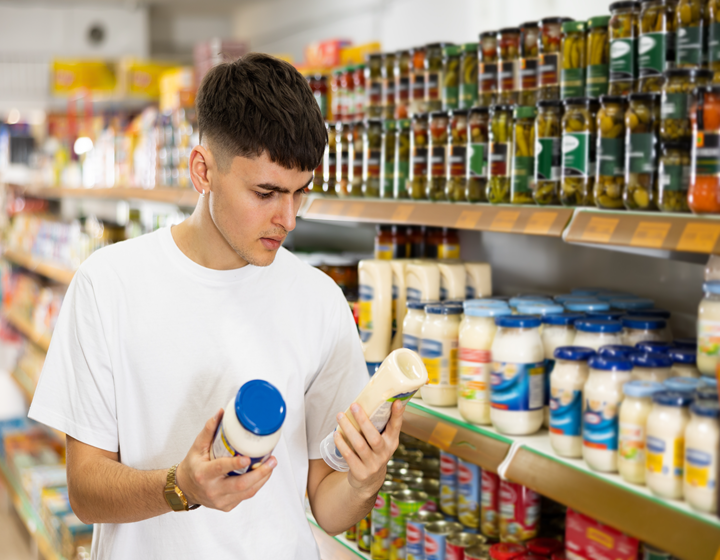
The push to cut sugar is undeniable, and these changes amplify consumer awareness and influence purchasing decisions.
- 64% of consumers worldwide are actively trying to reduce sugar intake1
- Two-thirds want to see sugar-free claims on packaging¹
- 73% of global consumers are willing to pay more for reduced-sugar products²
- New product launches with no added sugar claims are growing at a 4.24% CAGR globally³
Implications for savory categories
Sugar and sodium reduction trends are especially pronounced in ready meals, soups, sauces, gravies, dressings, dips and proteins. For brands, the challenge lies in reformulating beloved products to meet evolving nutritional standards — without sacrificing taste or texture. Success depends on delivering healthier profiles while preserving the sensory experience consumers expect.
Sugar reduction as a formulation challenge
Reducing sugar in savory formulations isn't simply about meeting nutritional targets. It's a technical and sensory challenge that can fundamentally alter a product's identity.
When brands remove sugar without compensatory strategies, the results often disappoint:
- Loss of flavor depth: Products can taste flat, sharp or unbalanced
- Thin mouthfeel: Sauces and soups lack the body consumers expect
- Altered texture: Ready meals and processed meats may lose moisture and tenderness
This represents both challenge as well as significant opportunity. Brands must aim for sugar reduction that is clearly reflected on nutrition labels while preserving the sensory experience consumers expect from the very first bite. Success requires ingredient innovation that addresses all of sugar’s functional roles — not just sweetness.
The formulation imperative is clear: effective sugar reduction calls for holistic strategies that maintain balanced flavor, texture and overall consumer satisfaction. Simple substitutions or fragmented approaches rarely deliver products that meet market expectations and perform consistently in real-world applications.
Ingredion's solutions for savory innovation
Ingredion offers a robust portfolio of ingredient solutions designed to help brands overcome sugar reduction challenges while maintaining functionality, sensory appeal and clean label positioning across key savory categories.
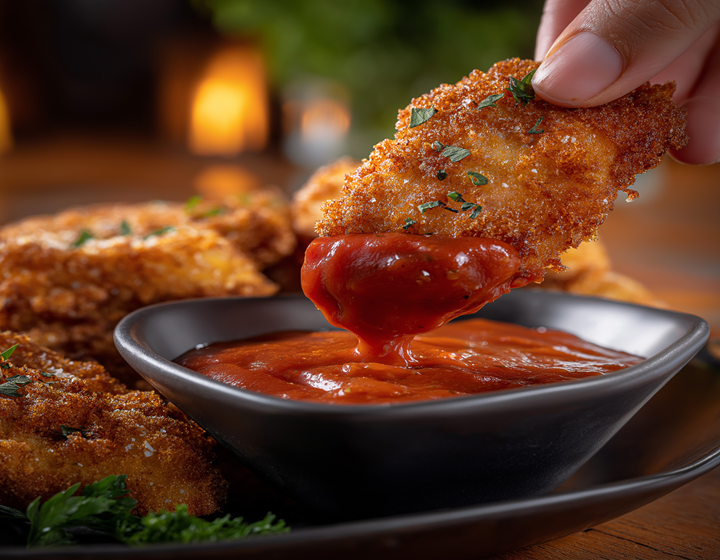
Balancing flavor and viscosity
Ingredion’s conventional and clean label solutions can deliver the functional performance provided by sugar in sauces and dressings, helping brands achieve the mouthfeel, body and flavor consumers expect, even at lower sugar levels
Restoring body and texture
Reducing sugar in applications like soups and ready meals can leave products thinner and less satisfying. Ingredion’s functional ingredients help rebuild these critical attributes — texture, moisture and overall appeal — so products remain delicious from preparation to consumption.
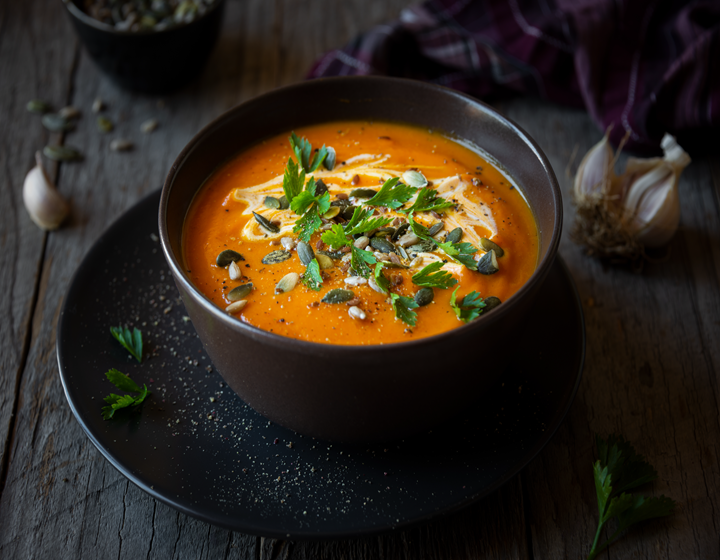
Beyond specific category solutions, Ingredion brings comprehensive capabilities to savory reformulation:
- Formulation expertise: Deep understanding of how ingredients perform across various processing conditions, package and formats
- Technical support: Collaboration with brands to optimize formulations for taste, texture and cost-in-use
- Innovation partnership: Access to Ingredion Idea Labs® innovation centers for brainstorming and co-creation
- Clean label focus: Solutions that meet consumer demand for recognizable ingredients
Let Ingredion’s sugar reduction solutions power your next savory breakthrough

Sugar reduction isn’t simply about taking sugar out — it’s also about smart reformulation that preserves the craveability, texture and eating experience driving consumer satisfaction and repeat purchases.
For savory applications specifically, sugar reduction innovation opens new product development opportunities. Brands can explore formulations previously constrained by sugar content, creating products that appeal to health-conscious consumers without compromising on flavor or satisfaction.
From sauces and dressings to ready meals and processed meats, Ingredion's solutions help brands create savory products that satisfy both regulatory requirements and consumer expectations. Ready to see how strategic sugar reduction can elevate your savory portfolio? Explore savory solutions with Ingredion today.
Meet the experts
Related content and resources
Deliver consumer-preferred savory foods
Overcome savory formulation challenges to create winning products that deliver on taste, texture, nutrition and value.
Create irresistible mouthfeel experiences
From creamy indulgence to satisfying crunch, Ingredion’s texturants help you craft the perfect sensory experience.

Sugar reduction insights from the experts
Whether for beverages, dairy products or baked goods, you'll see how Ingredion’s experts can help you create market-ready, reduced-sugar products quickly with just-right taste, texture and performance.
References:
- Ingredion Proprietary studies, ATLAS, 2025
- Sugars & Sweeteners Navigating Avoidance and Moderation for Better-For-You Consumption Habits, Global Report, FMCG Gurus, 2024
- Innova Database, 2023
The INGREDION and INGREDION IDEA LABS marks and logos are trademarks of the Ingredion group of companies. All rights reserved. All contents copyright © 2025.
*Product availability may vary by region. Please contact your Ingredion representative for details specific to your area.