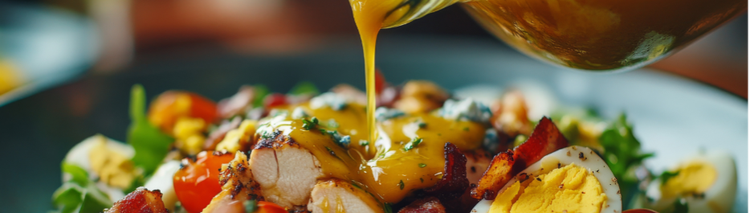
Soups, sauces and gravies
Clean label ingredient solutions for soups, sauces and gravies
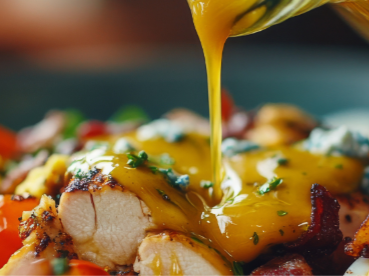
Ingredient solutions for soups, sauces, dressings, dips and gravies
- Develop high-performing sauces, dressings and soups that meet consumer expectations for taste, texture and clean label transparency.
- From a creamy ranch dressing to a rich umami gravy, consumers judge every sauce, soup and dip on a few key things: how it tastes, how it feels and whether the ingredient list earns their trust. Delivering on all three — consistently, at scale and under the pressure of ingredient cost volatility — is where formulation becomes complex.
- Ingredion brings together deep consumer insights, proven formulation science and a comprehensive ingredient portfolio to help food manufacturers create soups, sauces, dressings, dips and gravies that stand out on shelf and help food manufacturers create soups, sauces, dressings, dips and gravies that maintain stability across processing and shelf life.
Ready to meet consumer demand for healthier, clean label sauces and dressings?
Our Sauces and Dressings guide shows you how you can reduce or replace ingredients like sugar, eggs and tomato solids with high-performing alternatives.
Discover how to maintain the taste, texture and performance consumers love using simpler, more affordable ingredients.
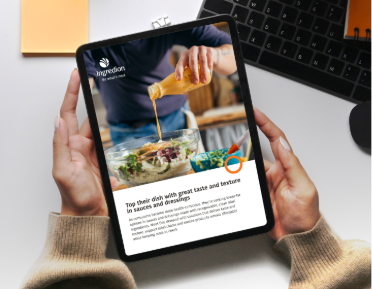
Solve your toughest formulation challenges in sauces and dressings
How to improve texture and mouthfeel in sauces and dressings?
Texture is perhaps the most important attribute of a sauce. Getting viscosity, creaminess and cling right, across formats, processing conditions and shelf-life requirements, is a precise formulation task.
- Achieve the right viscosity and cling for pourable, spoonable and squeezable formats
- Deliver creaminess and body in reduced-fat or plant-based formulations without heavy processing
- Maintain mouthfeel consistency from first open to last use
How do you respond to ingredient cost and supply volatility?
Egg price surges, tomato solids shortages and oil cost pressures have all created urgent reformulation needs across the sauces and dressings category. Ingredion helps you respond and mitigate risk with confidence.
- Replace eggs in emulsified dressings and mayonnaise-style sauces without losing emulsion stability or mouthfeel
- Extend or substitute tomato solids while preserving flavuor, color and body
- Reduce oil and fat content with ingredient systems that maintain richness and texture
- Reformulate at speed without compromising on taste, appearance or performance
How do you ensure stability and consistency?
A sauce that starts out looking perfect can separate, settle or lose viscosity before it ever reaches the consumer. Stability across processing, distribution and storage is non-negotiable and one of the most technically demanding aspects of savoury sauce, dressing and soup formulation.
- Prevent emulsion breakdown in oil-and-water-based dressings and sauces across shelf life
- Maintain freeze/thaw stability in soups, gravies and foodservice sauces
- Ensure thermal and processing resilience through retort, hot-fill and refrigerated formats
- Control syneresis and phase separation for consistent appearance at the point of consumption
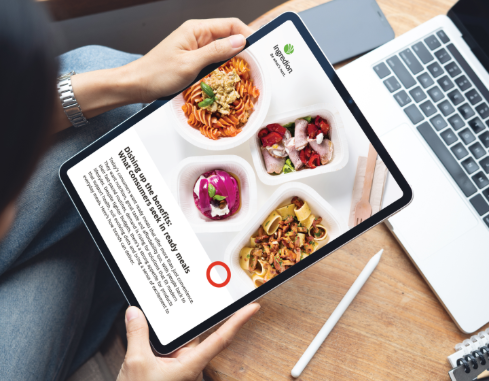
Consumers want more than convenience in ready meals
They also expect flavour, indulgence, nutrition and clean labels — meals that are built for the modern lifestyle. Our Ready Meals e-guide explores these expectations and shows you how to:
- Deliver flavour variety with nutritious ingredients
- Maintain taste and texture across formats and preparation methods, including air frying
- Create exciting and indulgent everyday eating experiences
How do you deliver clean label and nutrition goals?
Consumer demand for shorter ingredient lists, recognizable ingredients and better nutrition is reshaping the entire sauces and dressings category. However, delivering both clean label and performance rarely comes without compromise, and nutrition goals such as fat reduction or sodium optimisation can undermine the taste and texture consumers expect.
- Reduce fat, sugar and sodium without sacrificing flavour depth or the eating experience
- Simplify ingredient labels with native starches and plant-derived alternatives
- Develop plant-based and allergen-friendly dressings, dips and sauces that perform like their conventional counterparts
- Support high-protein or fibre-enriched formulations without texture or stability trade-offs
Ingredient technologies for sauce and dressing formulation
Our ingredient portfolio for soups, sauces, dressings, dips and gravies is engineered to deliver formulation flexibility and dependable performance at commercial scale. Every solution addresses a specific functional need:
- Starches: Thickening, viscosity control and stability for consistent texture across processing formats and shelf life
- Hydrocolloids: Emulsion control, suspension and texture management, even in complex multicomponent systems
- Plant-based proteins: Structure, creaminess and nutrition in plant-based and allergen-free applications
- Emulsifiers: Stable oil-water integration for creamy dressings, smooth sauces and consistent gravies
- Fibre and fat mimetics: Calorie reduction with the mouthfeel and body consumers expect
- Flavour and sodium-reduction systems: Taste optimisation that maintains the savoury depth consumers want
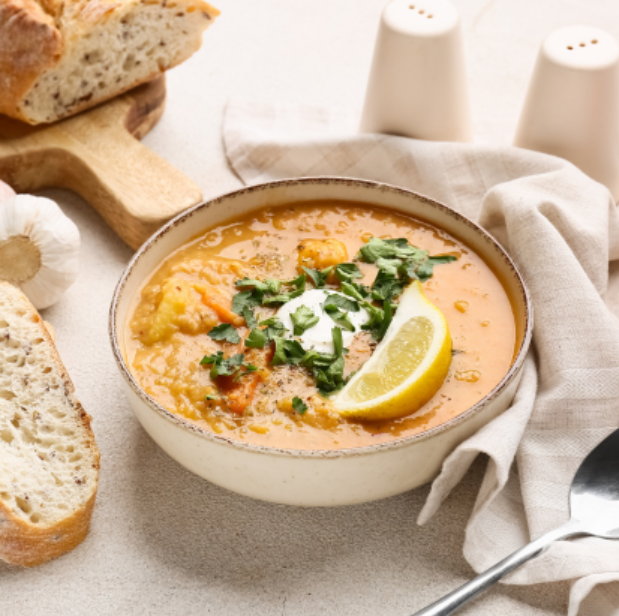
Soups
Creamy, clear and broth-based soups that deliver heat and freeze/thaw stability, protein enrichment and sodium reduction without losing the flavour depth consumers expect
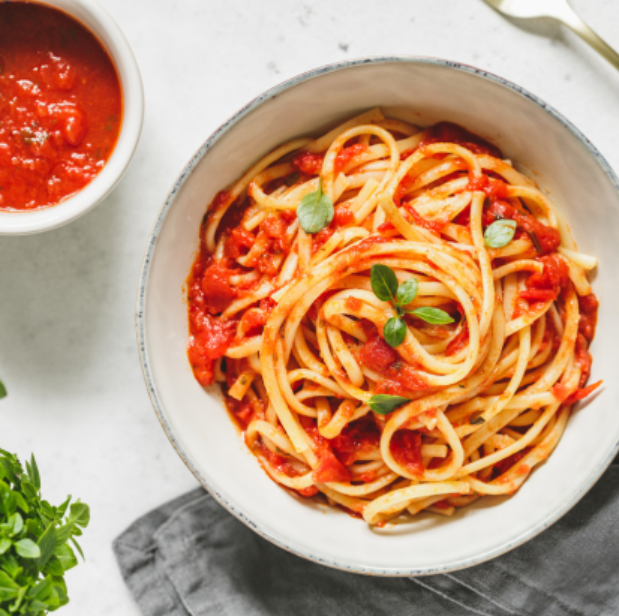
Sauces
Hot-fill, retort and refrigerated sauces with the cling, sheen and consistency consumers want, including dairy-free, sugar-reduced and plant-based formats
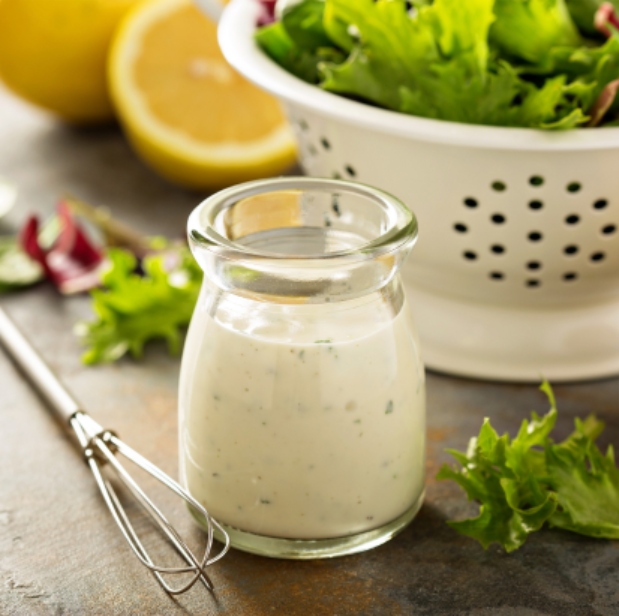
Dressings
Emulsified and vinaigrette solutions that stay stable, pour beautifully and meet clean label goals, including reduced-fat formats that don't compromise on taste or texture
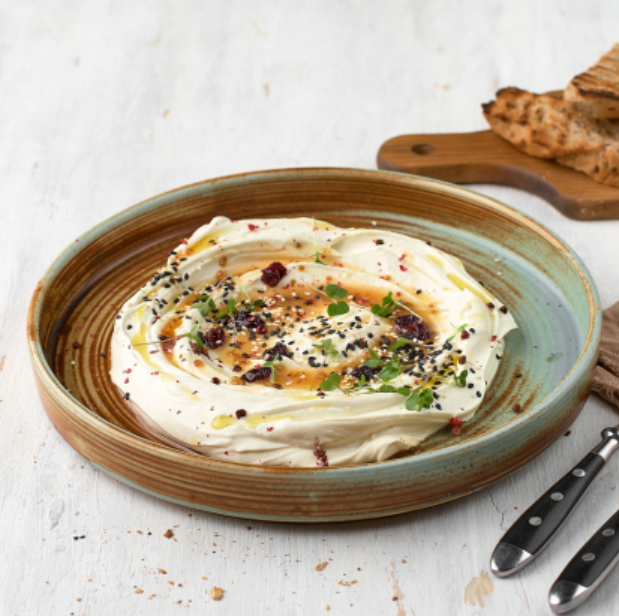
Dips
Spoonable textures with the scoopability and body consumers associate with premium products across global flavour profiles, plant-based formats and high-protein or reduced-fat options
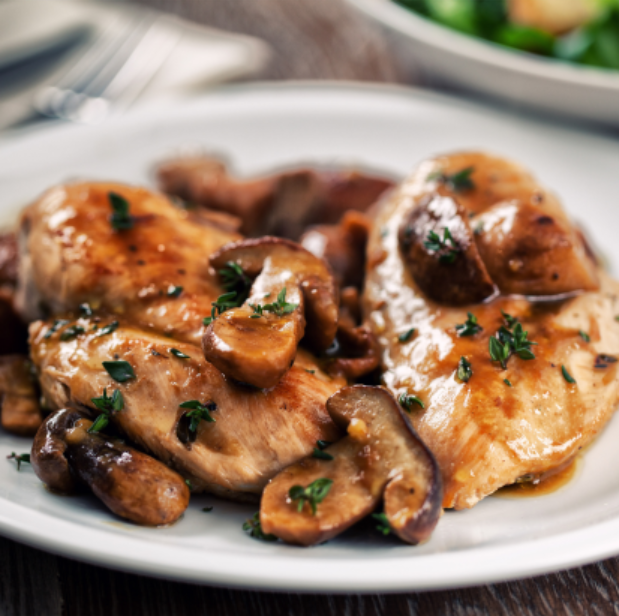
Gravies
Heat-stable viscosity and appearance across processing and reheating — with clean label browning, oil separation control and the rich mouthfeel that makes a gravy feel indulgent
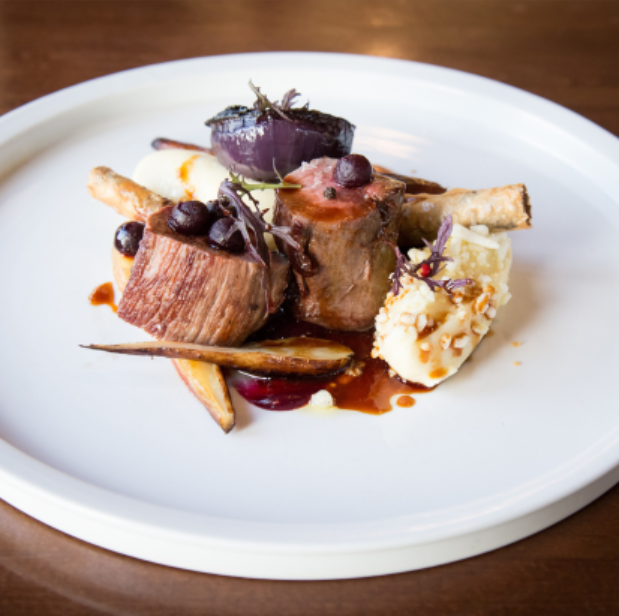
Foodservice formats
High-volume sauce, dressing and soup solutions formulated for consistency across sites, kitchen formats and delivery applications, where quality can't vary
Align with consumer and market trends
The sauces, dressings and soups category is being reshaped by the same forces driving the wider savoury market — and the brands that stay ahead formulate for where consumer expectations are going, not where they've been.
Clean label and transparency: Consumers are reading labels and making choices based on what they recognize; native starches, plant-derived thickeners and allergen-free systems let you simplify your ingredient list without sacrificing performance or shelf stability.
Plant-based and allergen-friendly: Demand for vegan dressings, plant-based gravies and egg-free sauces is growing across foodservice and retail, and Ingredion’s plant-based protein and starch solutions help you develop products that meet consumer expectations on both taste and label.
Reduced fat, sugar and sodium: Health-driven reformulation is one of the highest-volume trends across the sauces and dressings category; Ingredion’s fibre and fat mimetics, sweetener solutions and sodium-reduction solutions let you hit nutrition targets without losing the eating experience.
Global flavours and premiumization: Consumers are seeking bold, globally inspired flavours and they expect premium textures to match; our ingredient solutions help you build the creaminess, depth and stability that elevates an everyday sauce into a premium product.
From lab to launch: partnering with Ingredion
Most ingredient suppliers give you a portfolio. Ingredion gives you a co-creation partner. We bring together consumer insights, proven formulation science and end-to-end ingredient solutions to help you move from formulation challenge to market-ready product, faster.
Know what consumers want before you formulate
Every Ingredion engagement is grounded in real consumer data. Our proprietary ATLAS insights platform tracks what consumers want from soups, sauces and dressings — across regions, categories and emerging trends — so your formulation decisions are driven by market reality, not guesswork.
Innovate faster with Ingredion Idea Labs®
Speed matters. Our global Ingredion Idea Labs® give you hands-on access to dedicated application environments where we co-develop, test and refine formulations together, accelerating your path
from challenge to commercialisation. Whether you're tackling an emulsion stability problem, a fat reduction challenge or an egg-replacement reformulation, Idea Labs is where breakthroughs happen.
End-to-end development support
From regulatory expertise and pilot testing to rapid prototyping and commercial scale-up, Ingredion supports every stage of development. Our global network means wherever you're manufacturing, local application expertise is within reach.
Why partner with Ingredion?
The sauces and dressings category demands both technical precision and speed to market. Ingredion brings the expertise, ingredient portfolio and collaborative model to deliver both.
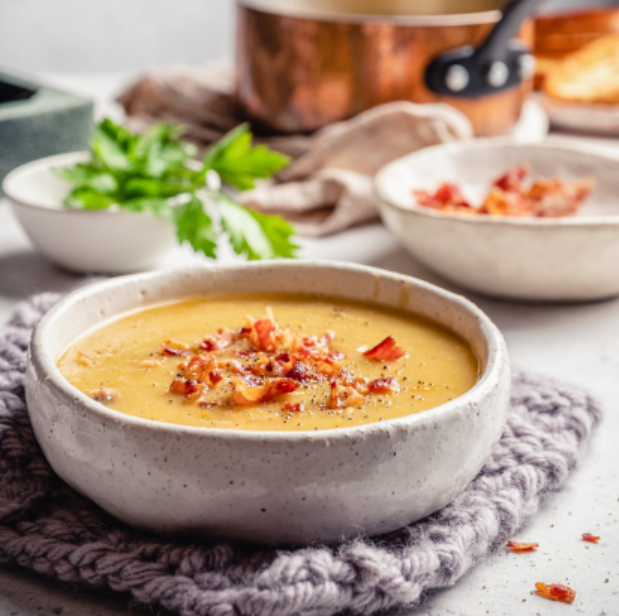
Decades of formulation expertise
Deep application knowledge across every savoury liquid format; from retort soups and refrigerated dressings to foodservice gravies and plant-based dips.
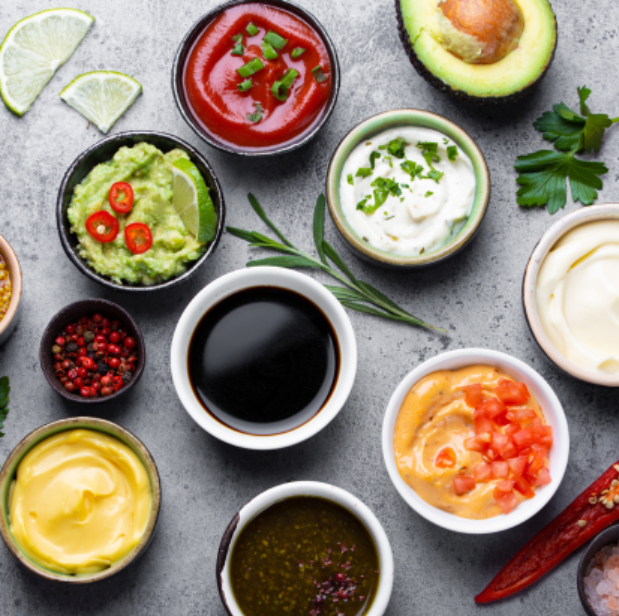
Broad, integrated portfolio
Starches, hydrocolloids, proteins, fibres and flavour systems; selected and combined to solve the specific functional demands of your application and processing format.
Global scale with local application support
A worldwide network of Idea Labs, application scientists and culinary experts who understand regional formulation needs and work directly alongside your team.
Ready to create what’s next in soups, sauces and dressings?
Got a reformulation challenge, a cost brief or a clean label pivot you need to nail? Whatever you’re solving for in soups, sauces, dressings, dips or gravies, Ingredion’s formulation experts are ready to work alongside you — from first conversation to commercial launch.
Frequently asked questions
- What are clean label ingredients in savoury sauce and dressing applications?
Clean label ingredients in sauces and dressings are those declared on-pack using simple, recognizable names such as pea starch, rice starch or sunflower lecithin rather than E-number codes or chemically modified derivatives.
- How do you stabilize emulsions in dressings and sauces?
Emulsion stability depends on the balance between the oil phase, water phase and the emulsifying system holding them together. Egg yolk is a traditional emulsifier, but modified starches, hydrocolloids and plant-based proteins can replicate and extend emulsification performance while supporting clean label and allergen-free goals.
- What ingredients improve texture in reduced-fat soups or dips?
When fat is reduced, the richness, body and mouthfeel it provides need to be replaced by other functional ingredients. Fat mimetics — including certain starches, fibres and hydrocolloid systems — can replicate the lubricity and creaminess of fat at significantly lower calorie levels. The right system depends on the application format, processing conditions and the sensory profile you're targeting.
- How can sodium be reduced in soups and sauces without sacrificing flavour?
Sodium reduction is technically challenging because salt plays multiple roles beyond taste, including flavour enhancement, preservation and texture. Flavour modulation systems and salt replacers can reduce perceived saltiness loss, while optimising the umami and savoury flavour profile of the base can compensate for reduced sodium.
- What ensures freeze/thaw stability in soups and gravies?
Freeze/thaw stability requires starch and hydrocolloid systems that resist retrogradation — the process by which starch molecules re-associate after freezing, causing syneresis and texture degradation. Modified starches with high freeze/thaw resistance and certain hydrocolloid blends are specifically engineered for this application.