
At a glance
- Protein now appears across everyday products, from beverages and dairy to snacks, bakery and prepared foods.
- Its growth is being reinforced by interest in active nutrition, healthy ageing, weight management and nutrient-dense eating.
- GLP-1-influenced eating is adding momentum to products that provide greater nutritional value in smaller, satisfying portions.
- Combining protein fortification with fibre enrichment or sugar reduction can increase formulation complexity and affect flavour, texture and stability.
- Sensory performance should be designed throughout development, rather than assessed only at the end.
- The strongest products balance nutrition, taste, texture, functionality and repeat appeal.
Protein is expanding beyond sports nutrition into mainstream food and beverage categories
As interest grows around healthy ageing, gut health and GLP-1 influenced eating habits, manufacturers need solutions that balance protein fortification with taste, texture and consumer satisfaction. This article explores how sensory-first product development helps brands create protein products consumers choose repeatedly.
As protein continues to expand across categories, expectations are rising
Protein has moved well beyond specialist sports nutrition. It is now found across beverages, yoghurts, snacks, bakery products, bars, prepared foods and many other familiar formats consumed throughout the day.
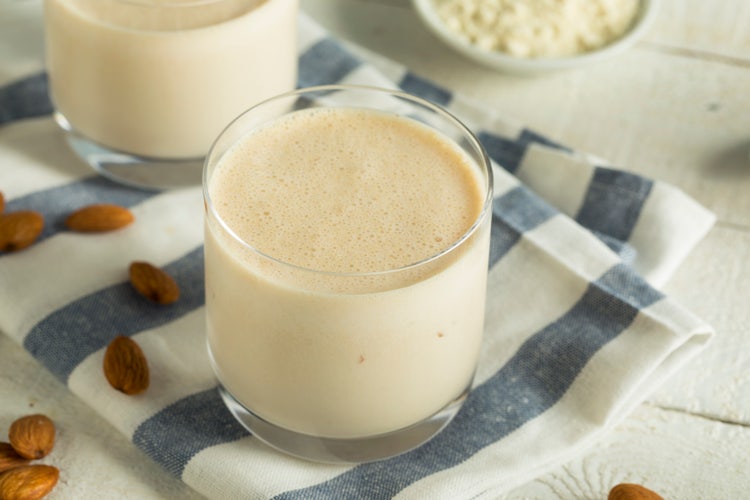
More nutrition in every bite
Protein's expansion is part of a broader shift towards foods and beverages that deliver multiple nutritional benefits in a single eating occasion. Consumers are increasingly looking beyond individual nutrients and seeking products that support a wider set of goals, including satiety, digestive health, energy, weight management and long-term wellbeing.
Interest in gut health is helping drive demand for fibre-enriched foods and beverages, with approximately 60% of all consumers believing gut health is very important to overall health3. At the same time, sugar reduction remains a key reformulation priority across many categories, reflecting consumers’ broad focus on healthier food and beverage choices, yet consumers still expect products to deliver enjoyable taste and texture experiences, creating a challenge for formulators seeking to balance health goals with consumer appeal.
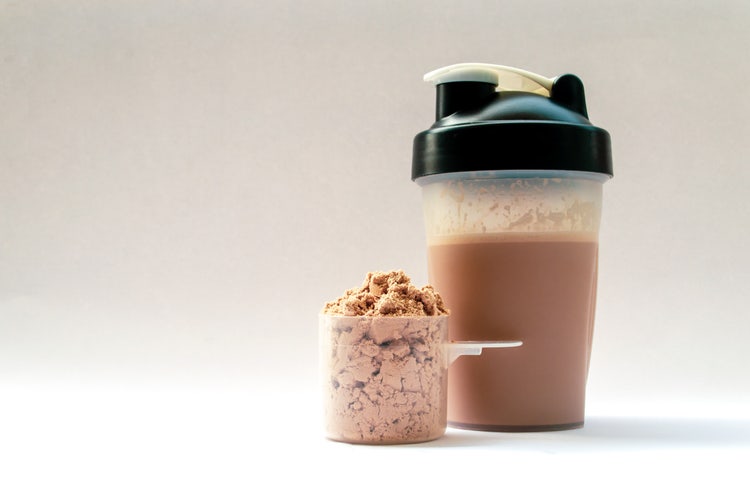
But the opportunity extends beyond GLP-1 users. Ingredion’s functional eating research highlights broader demand for products that combine nutrition, convenience and satisfaction rather than addressing a single health need.
Protein is central to this opportunity, but it rarely works alone. Today's formulations may combine protein fortification with fibre enrichment, sugar reduction, clean label positioning or other functional benefits. While these combinations can create stronger consumer propositions, they also increase formulation complexity. Protein can contribute bitterness, astringency or texture challenges, fibre can affect mouthfeel and viscosity, and sugar reduction can alter flavour balance and body. As nutritional ambitions increase, sensory design becomes increasingly important to ensure products remain enjoyable as well as nutritious.
Expectations for taste and texture remain the same
Whatever the nutritional goal, consumers do not adopt a different definition of enjoyment.
Protein fortification can introduce bitterness, beany or vegetal notes, astringency, dryness, grittiness and changes in viscosity. Fibre can affect thickness, clarity and mouthfeel, while reducing sugar can remove body, flavour balance and the masking of unwanted notes. These effects can become more pronounced when several nutritional changes are made within the same formulation.
The sensory challenge is therefore broader than correcting one unwanted flavour. Taste, aroma, texture, appearance and aftertaste combine to create the total product experience.
While health benefits may create consumer interest and encourage a first purchase, the complete sensory experience helps determine whether consumers will buy the product again.
What pea protein tells us about sensory acceptance
Pea protein offers an attractive combination of plant-based nutrition, functionality and regional sourcing potential. However, the choice of protein is only the starting point. The finished product still needs to deliver against familiar expectations for taste and texture.
A 2026 study evaluated 13 unflavoured pea protein isolates through trained descriptive analysis and consumer testing5. Flavour was the strongest predictor of overall acceptance, followed by texture and aroma. Bitterness, cereal or grainy flavours negatively affected acceptance.
The study also found no significant difference in acceptance ratings between consumers of plant-based and animal-based proteins. This suggests that consumers broadly apply the same sensory criteria when evaluating pea protein, regardless of their usual protein preferences.
This reinforces an important principle for manufacturers: consumers may accept a new protein source, but they will not accept a compromised product experience.
Better sensory starts before the final formulation
Sensory is sometimes treated as a final validation exercise, once protein levels, nutritional claims and processing requirements have already been established. By that stage, some of the most influential decisions may already have been made.
Raw material selection, cultivation, storage and fractionation can affect the protein’s sensory foundations. Ingredient design, processing conditions and the wider formulation then influence how those characteristics appear in the finished product.
This means unwanted flavour notes cannot always be masked at the end. Nor can dryness, chalkiness or poor mouthfeel always be solved through a late adjustment to the texture system.

A sensory-first approach considers the full journey:
Start with the consumer occasion
Define when, how and why the product will be consumed before setting the protein target.
Define the intended sensory experience
Establish clear targets for flavour, aroma, texture, mouthfeel and finish.
Choose the right protein for the application
Consider how the protein performs within the specific product matrix and processing conditions.
Design the complete formulation
Develop protein, texture, sweetness, flavour and stability as an integrated system, particularly when fibre enrichment or sugar reduction is also involved.
Use structured sensory assessment
Identify and measure the attributes that drive acceptance, rather than relying only on general impressions of whether a sample tastes good.
Test the real product over time
Validate sensory quality under realistic processing, consumption and storage conditions.
From adding protein to creating a product people choose again
As protein continues to expand across categories, success will not be defined by protein quantity alone.
Manufacturers need to balance nutrition with flavour, texture, functionality, stability, value and, increasingly, credible sourcing and sustainability considerations. When protein is combined with fibre enrichment, sugar reduction or other functional benefits, an integrated approach becomes even more important.
The central question is no longer simply: How can we add more protein?
It is: How can we create a nutritionally relevant product that fits naturally into everyday life and delivers an experience consumers want to repeat?
Sensory-first development provides a route towards that goal. By defining the intended experience early and understanding how the protein performs throughout the product’s journey, manufacturers can turn growing protein demand into products that deliver both nutritional purpose and genuine enjoyment.
Because while protein may encourage consumers to try a product, satisfying taste and texture are what keep them coming back.
Discover how sensory-first development can turn protein potential into products consumers choose again. Join Ingredion and Lantmännen at Fi Europe for “Pea protein without compromise: Enabling products consumers choose again,” exploring how sensory performance can be built from field to finished product.
- Theatre: Exhibitor Showcase Theatre (Hall 3, 30A1)
- Date: Day 1, 17 November
- Time: 11:30-11:55
Related content
As protein continues to expand into everyday food and beverage categories, manufacturers are increasingly balancing nutritional goals with expectations for taste, texture and overall eating experience. The challenge becomes even more complex when protein is combined with fibre enrichment, sugar reduction, clean label positioning and evolving consumer needs influenced by healthy ageing and GLP-1-driven eating behaviours. The following resources explore additional formulation, nutrition and sensory considerations that can help support successful protein innovation.

Designing for impact: How texture complexity is reshaping food innovation
Texture is no longer a background attribute. It is a driver of satisfaction, differentiation and overall eating experience.

Better Nutrition Is the Key Ingredient for Growth
Leverage labels that offer improved nutrition to drive preference and more consumer value on the shelf.

Answering the Biggest Questions About Clean Label Today
Discover what consumers actually mean by “clean label”
Sources:
- Innova Market Insights, Top Ten Trends 2026, Powerhouse Protein.
- Innova Market Insights, High Protein Market Trends in Europe, 2026.
- Innova’s Top Ten Food and Beverage Trends Report, 2026
- High protein intake stimulates postprandial GLP1 and PYY release, PubMed, 2013
- Kim, M.S., Bao, R., Simons, C.T., Peterson, J., Tello Camacho, E., Soldavini, J. & Peterson, D.G. (2026). Aroma, Flavor, and Textural Drivers of Acceptance in Unflavored Pea Protein Isolates. Journal of Food Science