At a glance
- Beverage formulation is becoming more complex as reduced sugar, clean-label expectations and functional nutrition targets — especially protein and fibre support — raise the bar for sensory performance and stability
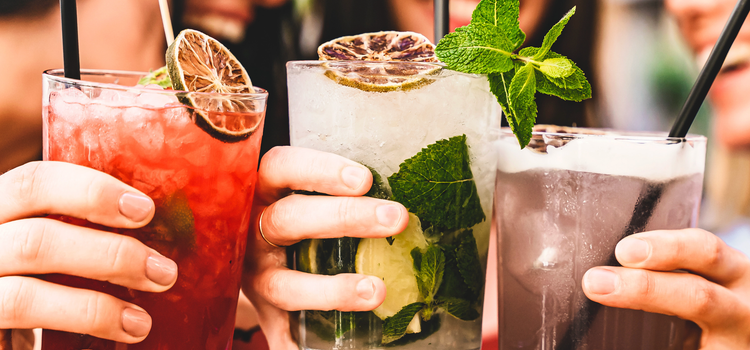
- High-growth categories like functional beverages, RTM and RTD protein drinks and cocktails and mocktails demand consistent taste, texture and shelf-life performance at commercial scale
- Protein fortification and fibre support are no longer niche — they are central to beverage innovation, supporting benefits such as satiety, digestive health, energy balance and sugar reduction.
- The perception of sweetness is influenced by onset, intensity and linger especially in beverages with reduced or zero sugar content
- Mouthfeel plays a critical role in repeat purchase, especially in beverages fortified with protein and added soluble fibres
- Stability challenges such as haze, sedimentation, ringing and phase separation must be addressed early — especially in formulations with protein and fibre
What beverage formulators are up against
Formulating today’s beverages means delivering great taste and texture while meeting stricter expectations for reduced sugar, clean label ingredients and added nutritional functionality. Across categories — from modern sodas and sports beverages to RTD protein drinks and mocktails — formulators are being asked to do more with fewer formulation tools, increasing both complexity and risk.

Together, these formulation pressures create both a challenge and an opportunity. When sweeteners, proteins, fibres and texturisers are selected together as a beverage-ready system — aligned with pH, processing and shelf-life needs — they can work synergistically to enhance sweetness perception, deliver satisfying mouthfeel, maintain stability and support clear nutritional positioning.
This article walks through the beverage formulation process step by step, showing how to intentionally design sweetness profile, texture and stability around a defined formulation priority, while successfully integrating changes such as sugar reduction, protein fortification and fibre support.
Trends reshaping today’s beverage formulations
Across beverage categories, consumers are asking for more from every sip — better taste and texture, reduced sugar, cleaner labels and functional benefits — while drinking occasions continue to expand throughout the day. As consumption frequency rises, expectations for consistent sensory performance rise with it, making sweetness quality, mouthfeel and stability essential design considerations rather than downstream fixes.
Modern sodas and functional carbonated soft drinks illustrate this shift clearly. Reduced sugar formulas combined with added benefits such as fibre, energy support or botanicals leave little room for imbalance. Carbonation amplifies any weakness in sweetness profile, bitterness or body, placing greater pressure on ingredient systems that can preserve sweetness impact and mouthfeel while supporting clean label positioning.
Sports and active nutrition beverages are also evolving beyond hydration alone. Consumers increasingly expect energy, recovery or daily performance benefits — often with lower sugar and added nutrition — without compromising refreshment. Because these beverages are often consumed around times of physical activity, thin texture, off notes or instability quickly undermine credibility, especially as sugar reduction removes traditional masking and bulk.
RTD protein beverages continue to shift from occasional use to daily routines, raising sensory expectations that mirror traditional beverages rather than dietary supplements. Smooth texture, clean flavour and shelf-life stability are now baseline requirements as brands pursue cleaner labels and lower sugar levels. Protein and fibre remain powerful tools, but only when designed intentionally for beverage applications.

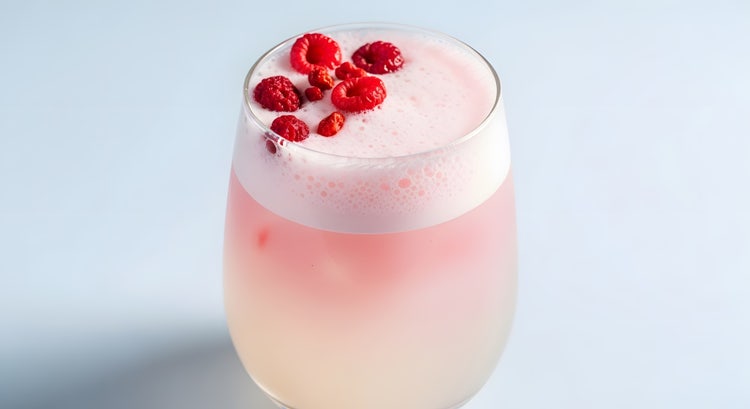
Overlaying these category shifts is a broader focus on appetite management and metabolic health, reinforced by the growing influence of GLP-1 medications. This mindset is accelerating demand for lower-sugar beverages that deliver protein or fibre and feel satisfying without heaviness — further elevating the role of sweetness quality and mouthfeel in lighter formulations.
Together, these trends increase both opportunity and risk. Formulation decisions now directly influence taste, texture, shelf life, cost and brand credibility. Designing sweetness, mouthfeel, stability and functionality intentionally from the outset is increasingly essential to compete across today’s high-growth beverage categories.
Key steps in the beverage formulation process
While every beverage is unique, most formulations follow a common development pathway. Each step builds on the last, with sweetness, mouthfeel and stability influencing decisions throughout the process.
1) Define the product concept and target consumer
Clarify the benefit, consumer, occasion, format and performance targets for taste, nutrition and shelf life, while also considering any regulatory constraints, to arrive at a clear and actionable product development plan. Watch for conflicting goals or vague positioning; a quick check is whether the concept and targets are clearly stated and aligned.
2) Select the base and functional ingredients
Choose the base and functional ingredients while accounting for compatibility, pH and processing tolerance, yielding a workable ingredient system and risk list. Common issues include overlooked interactions; validate with quick bench compatibility and visual checks.
3) Develop the flavour and sweetness profile
Design the overall flavour system and define the target sweetness profile. Select and optimise the sweetener system to achieve the targeted sweetness level and temporal profile — including sweetness onset, intensity and linger — while balancing caloric contribution, cost-in-use and labeling objectives. Problems to be mindful of include off notes or flat profiles — side-by-side tastings and time–intensity checks can help confirm performance.
4) Engineer mouthfeel and texture
Build body and smoothness using appropriate texturants, resulting in a stable mouthfeel system that supports sweetness and flavour. Over-texturizing is common; validate with simple pour, mouthfeel and hot/cold hold tests.
5) Address stability and shelf-life needs
Plan emulsification, suspension and pH management to maintain appearance and texture through shelf life, delivering a defined stabiliser system and pH window. Late-stage fixes often fail — use accelerated stability tests to uncover issues early.
6) Prototype, test and iterate
Refine the formula through sensory, processing and stability feedback, producing an optimised bench prototype and documented learnings. Avoid changing too many variables at once; repeat bench batches and structured tastings to confirm progress.
7) Validate scale-up and production performance
Confirm that sweetness, mouthfeel and stability survive commercial processing and distribution, and confirm nutritional targets post-processing. This should result in a scale-ready formulation and final specs. Drift after processing is a common risk; post-process sensory and early shelf checks are essential.
Troubleshooting common beverage formulation challenges
Many beverage formulation challenges don’t stem from a single ingredient choice, but from how sweetness systems, proteins, fibres, acids, and processing conditions interact. Addressing these issues early—and at a system level—can help prevent late-stage reformulation, reduce risk, and improve commercial performance.
Issue: Thin body in reduced-sugar, protein-fortified or added-fibre beverages
Likely cause: Removal of sugar eliminates not only sweetness, but also bulk, viscosity and mouth-coating effects. This is often compounded by protein or fibre systems not designed to contribute body in low-Brix beverages.
Fix: Rebuild mouthfeel intentionally using soluble fibres, hydrocolloids or functional build-back strategies selected for beverage clarity and pH stability. Align protein format and usage level to support smooth texture without masking sweetness or flavour release.
Issue: Ringing or creaming
Likely cause: Density mismatch between phases, insufficient emulsion design or incomplete particle size reduction — often exacerbated by plant proteins, flavour oils or added functional ingredients.
Fix: Optimise emulsifier selection alongside homogenization conditions, reduce particle size and rebalance oil-to-water density to create a stable emulsion that maintains uniform appearance through shelf life.
Issue: Sedimentation over shelf life
Likely cause: Limited protein solubility at the target pH, poor suspension strategy or incompatibility between protein systems and the beverage’s acid profile.
Fix: Reevaluate protein selection and solubility within the intended pH range, incorporate stabilisers or hydrocolloids designed for suspension rather than viscosity alone and confirm performance using accelerated stability and postprocess testing.
Issue: Off-notes or bitterness in reduced-sugar systems
Likely cause: High-potency‑ sweetener temporal mismatch or acid systems that accentuate bitterness or metallic notes.
Fix: Design a sweetener system that balances onset, intensity and linger. Align acid selection to support sweetness perception and use taste modulation strategies developed specifically for beverage applications.
Issue: Texture drift after processing
Likely cause: Protein or fibre sensitivity to heat, shear or pH changes during pasteurization, homogenization or holding — resulting in aggregation, gelling or viscosity shifts after scale‑up.
Fix: Validate protein, fibre and stabiliser systems under realistic processing conditions early in development, including thermal treatment and shear, to ensure texture and mouthfeel remain consistent from bench to production.
Turn formulation complexity into a competitive advantage
Modern beverage formulation is about balance, aligning sensory performance with functionality, clean labels, reduced sugar and convenience. With the right partner, that balance becomes easier to achieve.
Ingredion Incorporated brings deep expertise across beverage formulation, from texture and taste to nutrition, stability and label-friendly solutions. We help brands reduce risk, accelerate time to market and deliver beverages that perform consistently from first fill to final sip, earning consumer trust and repeat purchase.
Create consumer-preferred beverages that stand out on the shelf. Explore our insights, formulation expertise and ingredient solutions for beverage formulators.
Meet the experts
Related content and resources
Explore how Ingredion supports beverage innovation—from sports drinks and texture performance to plant‑based beverages—helping brands deliver hydration, enjoyment and consistent texture consumers expect.
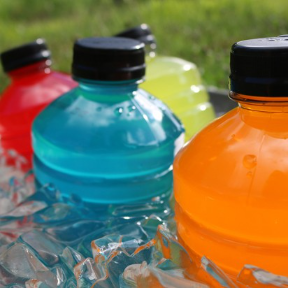
Boost appeal with solutions for sports beverages
Solutions to develop sports drinks that deliver hydration, flavour and functional benefits.
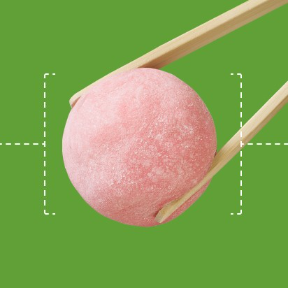
Texture plays a critical role in elevating consumer enjoyment
Learn how the Texture Equation helps balance ingredients and processing for performance.
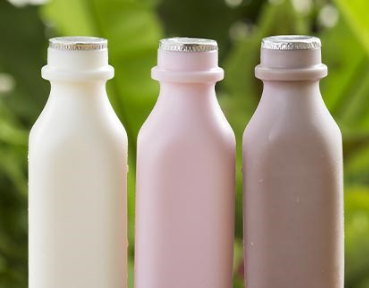
Bring your plant-based beverage vision to life
Ingredient solutions for dairy‑alternative beverages with creamy texture, taste and nutrition.
Sources:
- Ingredion proprietary functional beverage study 2024