At a glance
- Consumers are increasingly pursuing multiple nutrition goals at the same time, from protein and fibre intake to sugar reduction and digestive health.¹
- Positive nutrition is becoming less about individual nutrients and more about helping consumers achieve meaningful outcomes.²
- Emerging research is revealing stronger connections among digestive wellness, metabolic health, active lifestyles and overall well-being.3
- Texture plays a critical role in how consumers evaluate health, quality and product satisfaction.⁵
- The future of positive nutrition may belong to products that deliver multiple benefits without asking consumers to compromise on experience.
Positive nutrition definition
Positive nutrition is an approach to food and beverage innovation that brings together nutritional goals such as protein, fibre and sugar reduction with the taste, texture and eating experience consumers expect. Rather than addressing individual nutrients in isolation, it starts with the consumer outcome and designs the complete product experience around it.
What if we started with the outcome?

A few years ago, a similar product might have been designed around a single objective: increase protein. But increasing protein can change texture, creating new challenges around grittiness, thickness or mouthfeel. Solving for one requirement can quickly affect another.
Today, formulators are balancing protein alongside digestive wellness, reduced sugar, recognisable ingredients and a more complete macronutrient profile, all while maintaining a creamy, satisfying drinking experience.
The challenge is no longer simply packing in more protein. It’s making protein, fibre, sugar reduction and texture work together to create delicious and benefit-rich foods and beverages consumers enjoy.
Why are consumers looking beyond individual nutrition targets?
Whether they're looking for more protein, more fibre or less sugar, consumers are often focused on what those choices can help them do:
- I want breakfast to keep me satisfied longer
- I want a snack that supports my active lifestyle
- I want less sugar without sacrificing enjoyment
- I want foods that support my individual nutrition goals
Just as importantly, consumers don't separate nutrition from experience.
They want protein but still expect smooth creaminess. They want fibre but still expect a crunchy or crispy texture. They want less sugar but still want products to taste indulgent and familiar.
This distinction is important because it reveals a broader shift in how consumers define healthy.
Positive nutrition is becoming more purposeful
Around the world, consumers are reshaping their relationship with nutrition.
According to Innova Market Insights, protein remains the nutrient consumers pay the most attention to, with 80% of consumers globally tracking protein in their diets and 58% actively seeking it out.¹ Fibre is gaining momentum as well, with nearly half of consumers actively seeking fibre and 59% viewing gut health as fundamental to overall well-being.² At the same time, 40% of consumers worldwide are actively reducing added sugars.¹
What is notable is not that consumers care about protein, fibre or sugar reduction individually. It is that they increasingly care about all of them simultaneously.² Health goals that were once viewed separately are becoming more interconnected. What begins as an interest in protein may also relate to energy, weight management or healthy aging. A focus on digestive wellness may be tied to broader wellness aspirations.

This shift is moving the conversation beyond individual nutritional targets and toward consumer outcomes. The products that succeed will increasingly be those that deliver multiple benefits without introducing new compromises.
Why texture is the missing link in positive nutrition

Consumers may talk about protein, fibre, sugar reduction and digestive wellness as separate priorities, but they experience them through a single bite or sip.
One of the most important findings from Ingredion’s Proprietary Texture Research (2026) is that consumers do not evaluate health, quality and freshness independently. Instead, they use texture cues to make judgments about all three. Positive texture attributes such as creamy, smooth, thick and substantial can reinforce perceptions of quality, freshness and healthfulness, while chalky, watery or sticky textures can undermine them.⁵
For all brands, this raises the stakes.
Protein can affect viscosity and mouthfeel. Fibre can influence body and sensory characteristics. Sugar reduction frequently requires rebuilding sweetness, function, structure and overall product experience.⁸
As manufacturers pursue multiple nutrition goals simultaneously, maintaining what consumers expect can become increasingly challenging.
Yet texture remains one of the strongest drivers of product success. Ingredion’s Proprietary Texture Research found that 62% of consumers identify texture as a factor in product choice, while 65% of consumers consider texture when deciding whether to re-purchase a product. An unsatisfactory texture can block a purchase entirely. The research also suggests consumers often follow a similar path to purchase: health drives consideration, flavour encourages trial and texture influences repeat purchase and loyalty.⁵
This insight reframes positive nutrition innovation.
Health may earn the first purchase, but it’s the texture that often determines whether consumers come back.
What role can protein play in positive nutrition?
Protein remains one of the most sought-after nutritional attributes globally.
Beyond muscle maintenance, consumers increasingly associate protein with sustained energy, healthy aging and metabolic wellness.²
Innova Market Insights also reports a 66% increase in product launches combining protein claims with weight-management positioning between 2024 and 2025.⁴
As interest grows, so does demand for strong scientific evidence and greater flexibility in protein sourcing.
While whey protein remains a benchmark in many applications, brands are increasingly exploring complementary protein options as they navigate evolving supply, cost and sustainability considerations. At the same time, they need confidence that alternative protein sources can deliver the functional and metabolic performance consumers expect.
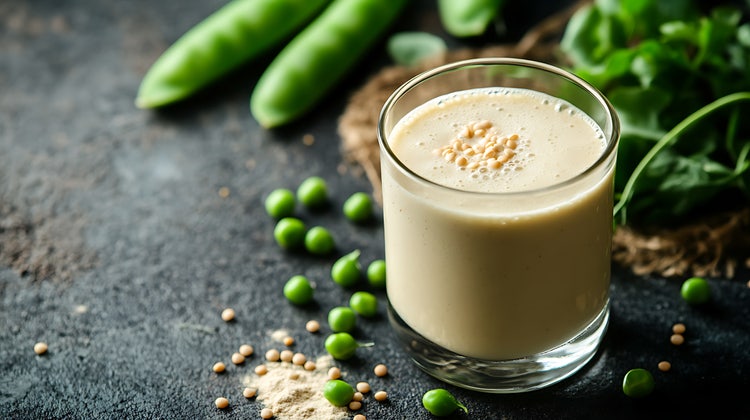
The study demonstrated that Ingredion’s pea protein delivered performance comparable to whey in supporting favourable changes in body composition and muscle strength, helping validate pea protein as a viable alternative for active nutrition applications.⁶ This is especially meaningful as manufacturers seek to diversify protein sources, navigate ongoing whey supply and cost challenges, and respond to growing consumer interest in plant-based products. By providing evidence that pea protein can perform similarly to the whey gold standard in outcomes that matter to active consumers, the research gives customers greater confidence when formulating products beyond traditional dairy proteins.⁶
More broadly, research efforts like this reflect the industry's movement toward evidence-based nutrition and a deeper understanding of how different protein sources can support muscle strength and body composition goals, and other meaningful consumer outcomes while expanding formulation flexibility.
How can fibre connect digestive wellness with broader nutrition goals?
Fibre may be one of the clearest examples of how nutrition science is evolving beyond a single benefit. Nearly half of global consumers actively seek fibre, while gut health continues to emerge as a central wellness priority.¹ Research is increasingly exploring links among digestive wellness, satiety, blood glucose management and broader metabolic outcomes.²

Why is sugar reduction still central to positive nutrition?
Sugar reduction remains a major consumer priority, but there’s a catch. More than half of consumers continue to prioritize taste and indulgent experiences.¹
This creates one of the most important tensions in food and beverage innovation. Consumers want less sugar; they do not want less enjoyment.
Ingredion's proprietary sweetness research reinforces this idea, showing that consumers do not share a single definition of ideal sweetness.⁷
Successful sugar reduction increasingly depends on rebuilding body, mouthfeel and overall sensory experience, not simply replacing sweetness.7 Because when taste and texture meet consumer expectations, nutrition improvements become far easier to embrace.
What does the future of positive nutrition look like?
If positive nutrition starts with the consumer, what might innovation look like next?
Maybe it's a protein-rich snack developed for healthy aging, delivering convenient nutrition for active adults while maintaining the indulgent texture and enjoyable eating experience consumers expect from a premium snack.
It could be a reduced-sugar mocktail inspired by classic cocktail flavours, offering a sophisticated adult beverage experience with less sugar, a balanced sweetness profile and the full-bodied mouthfeel consumers associate with handcrafted drinks.
Or, perhaps it's a grab-and-go, RTD breakfast beverage designed for busy professionals who want a more satisfying start to the day. Rather than focusing solely on protein content, the concept combines protein, digestive wellness-supporting fibre and a creamy texture that helps keep consumers feeling satisfied throughout the morning.

These concepts may look different on the surface, but they share a common principle: begin with a consumer goal and build the nutritional and sensory experience around it.
For brands and product developers, that means balancing nutrition science, formulation expertise and consumer understanding in different ways. Consumers do not experience protein, fibre and sugar reduction separately. They experience a product. And because many of the moments that drive positive nutrition adoption — from increased protein consumption to sugar reduction efforts — also influence sensory expectations, successful products will be those that deliver meaningful health benefits without compromising the taste, texture and enjoyment consumers expect.
The future of positive nutrition is not simply about delivering more benefits; it's about helping consumers achieve meaningful nutrition goals through products that fit naturally into everyday life.
Meet the experts
Related content
Explore more insights into the trends shaping the future of nutrition and food innovation, from changing consumer expectations and functional eating to nutrient density, texture and the evolving role of health in product development.

7 questions shaping the future of functional eating
Explore how protein, fibre and sugar reduction are reshaping functional foods and beverages, and why balancing nutrition with taste and texture is critical to meeting evolving consumer expectations.
The GLP-1 effect: Reformulating for high-protein, nutrient-packed demand
Discover how changing eating patterns are creating new opportunities for nutrient-dense foods and beverages that combine protein, fibre and other nutritional benefits with satisfying taste and texture.

Looking Ahead: Ingredients, insights and innovation in 2026
Uncover the trends shaping food and beverage innovation, from evolving nutrition needs to texture and sensory experience.
Sources:
- Innova Market Insights. Global Ingredient Trends 2026: Navigating consumer demand for health-driven formulas. March 2026. Protein tracking and seeking behaviors, fibre interest and sugar-reduction trends.
- Innova Market Insights. Innova Market Insights announces F&B trends for 2026: Gut health, protein & stress relief. October 2025. Gut health, protein, wellness and consumer outcome trends.
- Innova Market Insights. Function over restriction: How protein and fibre are reshaping healthy beverage innovation. April 2026. Functional nutrition and consumer wellness priorities.
- Innova Market Insights. January in review: GLP-1, protein, and fibre drive 2026 nutrition trends and reformulation. February 2026. Protein, weight-management and reformulation trends.
- Ingredion Proprietary Texture Research, 2026. Consumer perceptions of texture, health, quality, freshness, purchase drivers, loyalty and life-stage texture shifts.
- Miketinas, Derek, et al. "Pea vs Whey Protein Isolate on Body Composition And Muscle Strength In Young Untrained Adults During Resistance Training: Preliminary Analysis of a Double-Blinded RCT." Current Developments in Nutrition 10 (2026).
- Ingredion Proprietary Beverage Study, 2024