
Positive nutrition
Better nutrition in one integrated ingredient solution

What is positive nutrition?
Positive nutrition looks beyond removing or reducing one component in isolation. It begins with what the finished product needs to deliver from nutritional, functional and sensory perspectives.
That means considering protein, dietary fibre and sugar reduction together, then using texture solutions as an enabling layer across the formulation. The objective is not simply to complete three ingredient substitutions. It is to create one coordinated eating or drinking experience in which nutrition and enjoyment are designed to work together.
Why solving one nutrition challenge at a time can fall short
Consumers are seeking more from everyday foods and beverages. Seventy percent report eating more protein, 64% are eating more fibre and 64% are reducing sugar. At the same time, 72% say nutrition guidance keeps changing.¹ ²
These expectations are not experienced as separate claims. Consumers encounter the sweetness, texture, familiarity and nutritional profile of a product together, in one bite or sip.
For formulators, this creates an interconnected design challenge. Increasing protein may influence mouthfeel. Adding fibre may change the product matrix. Reducing sugar may affect sweetness, bulk, mouthfeel or other functions sugar previously supplied. Addressing each requirement in sequence can lead to additional rounds of adjustment.
A coordinated approach helps teams evaluate those interactions earlier and make decisions based on the finished product rather than an isolated ingredient target.
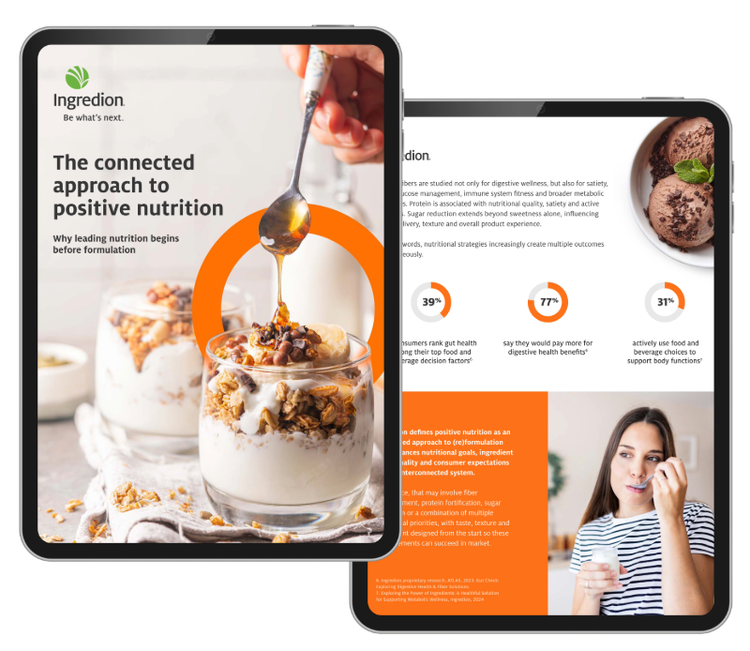
E-book: Design for all the nutritional goals. All at once.
Consumers don't experience nutrition claims one at a time. They experience the whole product.
Discover how designing nutrition — before formulation begins — can help deliver every benefit that matters to consumers, bringing health, taste, texture and trust together.
Better nutrition ingredients, designed together
Every formulation creates a network of interactions. Changing one part can influence several others, so better nutrition depends on more than choosing the right nutrition ingredients.

Add protein with the finished texture in mind
Increase nutrition density and support lean body mass and muscle strength while considering how the protein affects taste, viscosity, structure and mouthfeel.
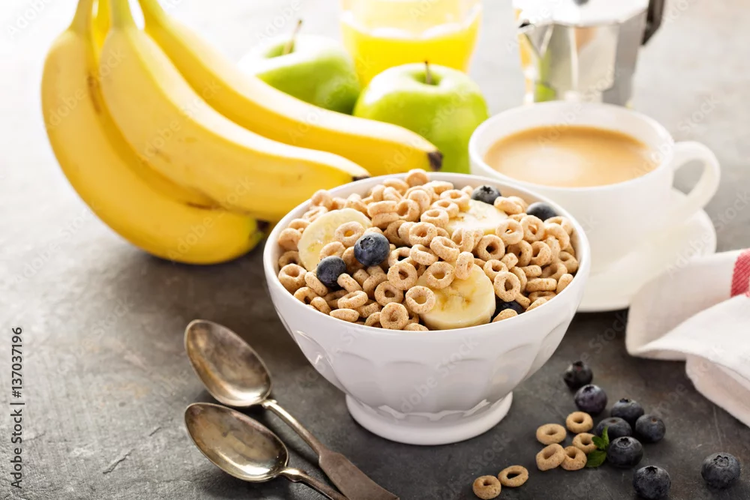
Add fibre within the complete product matrix
Support fibre targets and digestive wellness while evaluating effects on processing, sensory qualities and the intended consumer experience.

Reduce sugar while rebuilding functionality
Balance sweetness preferences, metabolic wellness, calorie goals and functionality while maintaining taste, texture and familiarity. Texture underpins all three, ensuring a cohesive and enjoyable eating or drinking experience.
Add protein for nutrition density and satiety

VITESSENCE® pea protein ingredients can support product developers working toward added-protein formulations. Within a positive nutrition solution, selection begins with the finished-product objective, including the protein target, application, processing conditions, flavour profile and desired texture.
Ingredion formulation teams can then consider how the protein works with fibre, sweeteners and texture solutions. This connected approach is designed to help identify interactions sooner and reduce late-stage adjustment.
Add fibre for digestive and metabolic health goals
Fibre is more than a nutrition label claim. It can help support digestive and metabolic health while shaping the sensory experience consumers expect from food and beverages. Considering fibre early in development can help align nutrition, texture and taste goals.
Our fiber solutions help formulators create products that support digestive and metabolic health goals while delivering the taste, texture and eating experience consumers expect. Combined with our expertise in ingredient selection and formulation, we help brands develop products that align with evolving nutrition and wellness trends.
By bringing nutrition science, regulatory expertise and application development capabilities together, Ingredion can help teams evaluate ingredient choices, substantiation considerations and formulation opportunities before products move from concept to commercialisation.
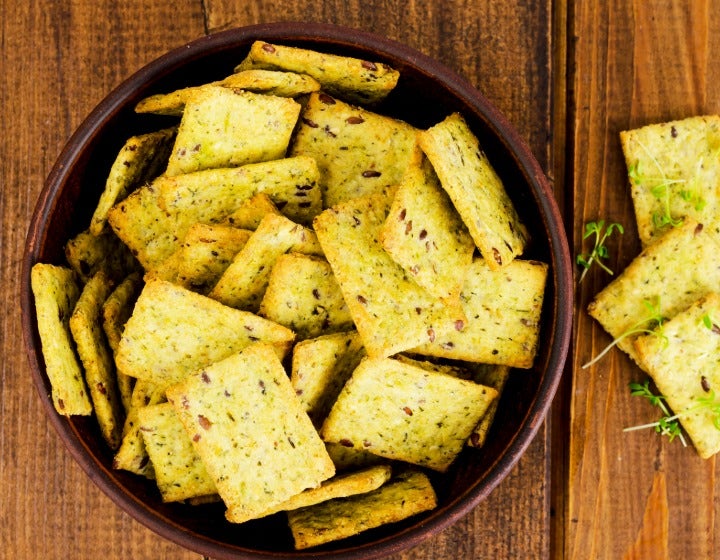
Reduce sugar while addressing sweetness, mouthfeel and function

PURECIRCLE™ Clean Taste Solutions can help formulators address expected sweetness and taste in reduced-sugar product development. These solutions should be selected according to the application, sweetness target and complete flavour profile.
Ingredion can help teams evaluate sugar reduction alongside protein, fibre and texture, considering how the combination performs in the finished product.
Texture solutions enable the complete positive nutrition experience
Consumers do not separate nutrition from experience when they eat or drink a product. Texture helps define whether the product feels familiar, whether the mouthfeel fits the application and whether the complete formulation delivers the intended experience.
Protein, fibre and sugar changes can each affect structure, viscosity, body or mouthfeel. When texture is considered only after those changes are made, teams may need additional work to rebuild the desired product experience.
A texture-enabled approach starts earlier. It considers what the finished product should feel like, then evaluates the nutrition ingredients and texture solution together. This can provide greater confidence in the formulation direction without suggesting that texture alone guarantees consumer preference or commercial performance.

Why involve Ingredion before formulation begins?
When ingredient decisions are made in sequence, one change may require another team to adjust the formulation later. Bringing Ingredion into the process earlier creates an opportunity to define the whole challenge before individual solutions are selected.
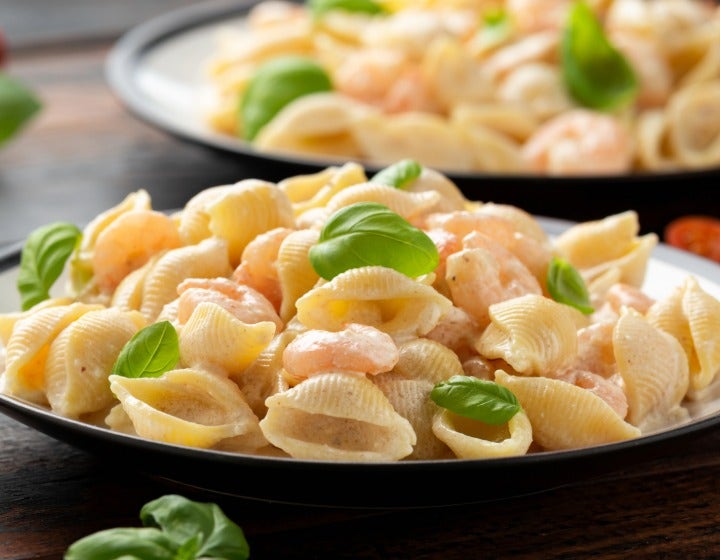
Together, we can consider:
- Nutritional and labeling goals
- Application and processing requirements
- Sweetness, flavour and mouthfeel expectations
- Interactions among protein, fibre, sweeteners and texture solutions
- Finished-product testing needs
Scientific and regulatory review points
This solution-level approach is designed to lower reformulation risk, reduce avoidable rework and create a more coordinated path through development. It does not replace the manufacturer’s validation process, but it can help teams make informed decisions earlier.
A connected approach from concept to finished product
Positive nutrition solutions often require balancing multiple priorities, from protein and fibre to sugar reduction, texture, labelling and consumer expectations. By bringing together expertise, science and application support, Ingredion helps manufacturers move through development with a more connected approach.
Design at the solution level
Protein, fibre, sugar reduction and texture should be considered together from the start, including how decisions in one area may influence another. By taking a more holistic approach to formulation, manufacturers can reduce reformulation risk and address challenges earlier in development.
Connect expertise across nutrition solutions
Formulation teams can coordinate expertise across protein, fibre, sweetening and texture rather than treating them as separate workstreams. Bringing these capabilities together helps reduce rework and keeps development moving forward with fewer iterations.
Evaluate complete product performance
Evaluation focuses on how the complete formulation performs, not only on an ingredient's individual properties. Teams can assess taste, texture and overall product performance before commercialisation rather than relying solely on ingredient-level data.
Apply nutrition science
Nutrition science expertise helps teams interpret emerging evidence and connect ingredient decisions to broader product and communication objectives. This supports more informed decisions around formulation, substantiation and product positioning.
Address regulatory considerations early
Regulatory specialists can help inform ingredient, labelling and claims considerations during development. Identifying potential considerations earlier enables teams to make more informed decisions throughout the development process. Manufacturers remain responsible for final product suitability, compliance and labelling.
Collaborate through Ingredion Idea Labs® innovation centres
Ingredion Idea Labs® innovation centres bring application knowledge and science-based problem-solving into the formulation process. Manufacturers can bring formulation, testing and refinement together in a more coordinated development experience.
Positive nutrition ingredients across applications
Positive nutrition opportunities look different across product categories. Whether formulating beverages, dairy alternatives, baked goods, snacks or savoury foods, brands often need to balance nutrition goals with taste, texture and overall product performance. A connected approach can help teams evaluate these factors together and develop solutions tailored to the needs of specific applications.

Sports, active nutrition and beverages
Adding protein or fibre while reducing sugar can influence sweetness, mouthfeel, viscosity and ingredient suspension. A connected approach helps developers balance nutrition targets with the intended drinking experience.
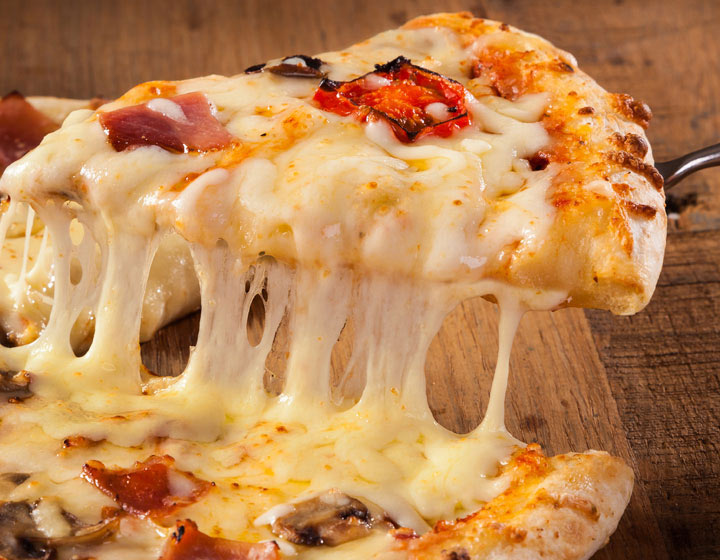
Dairy and alternative dairy
Protein, fibre, sweetness and texture must work together in applications where creaminess, body and familiarity are often important to consumer acceptance. Evaluating these factors as a complete solution can help teams address formulation considerations earlier in development.

Bakery
Sugar often contributes more than sweetness in baked goods, while added protein and fibre can affect dough handling, batter performance and eating quality. A connected formulation approach considers these interactions within the full recipe and production process.

Snacks and bars
Protein and fibre targets can influence structure, binding, density, crunch and chew. Coordinating nutrition and texture decisions helps developers work toward product goals while maintaining the intended eating experience.

Savoury foods and ready meals
Added nutrition, sugar reduction and texture requirements can affect sauce body, product structure and the overall eating experience. Designing solutions at the formulation level helps teams consider these factors together rather than in isolation.
Frequently asked questions
What is positive nutrition?
Positive nutrition is an approach to food and beverage development that focuses on incorporating ingredients that support health and wellness. This may include solutions that add protein or fibre, support digestive, metabolic or immune health or help reduce sugar while maintaining taste and texture. The goal is to create products that deliver meaningful nutritional benefits while meeting consumer expectations.
How can food manufacturers add protein and fibre while reducing sugar?
Brands can begin by defining their product goals and evaluating protein, fibre, sweetening and texture requirements together. Adding protein and dietary fibre or reducing sugar can influence flavour, mouthfeel, viscosity, structure and processing in different ways. Testing ingredients in isolation may not reveal how they interact within a formulation. A coordinated development process helps teams evaluate these interactions, establish priorities and assess performance throughout development. Specific ingredient choices, levels and claims require application, scientific and regulatory review.
Why can better-for-you products be rejected by consumers?
A better-for-you product may fall short of expectations when nutritional changes alter its familiar taste, texture or overall experience. Consumers experience food and beverages as a whole, not as individual protein, fibre or reduced-sugar decisions. Changes may influence sweetness, body, viscosity, structure or mouthfeel. Considering nutrition and texture together can help developers identify potential challenges earlier.
What is the difference between positive nutrition and clean label?
Positive nutrition and clean label address different formulation and consumer needs, although they can overlap. Positive nutrition focuses on aligning nutritional goals, such as adding protein or fibre and reducing sugar, with the intended product experience. Clean label focuses on the ingredient list and labelling considerations shaped by consumer expectations and market context. A product may pursue one or both approaches, depending on its goals.
How does texture affect reduced-sugar and high-protein foods?
Texture influences how reduced-sugar and high-protein foods feel and perform. Depending on the application, sugar reduction may affect body or mouthfeel, while added protein may influence viscosity, structure or other sensory attributes. Dietary fibre can introduce additional interactions. Texture solutions can help developers address these combined effects, but the appropriate approach depends on the formulation, process and desired experience.
Sources:
1. IFIC Food & Health Survey, 2025.
2. Ingredion Sugar Reduction Article, 2025.