At a glance
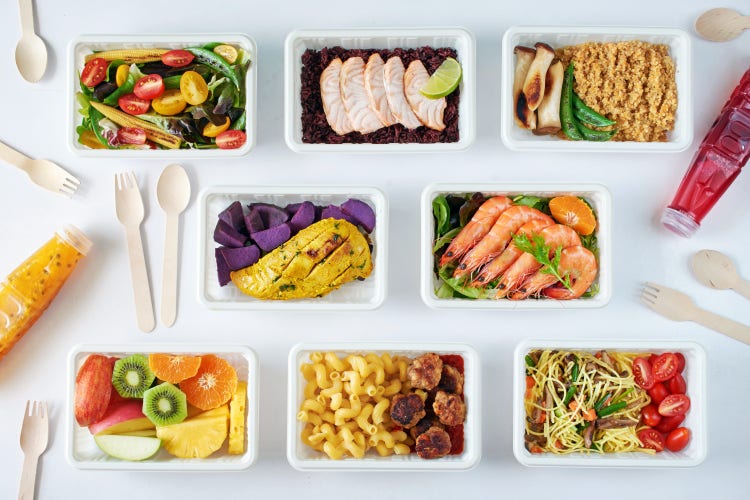
- GLP-1 medications are changing how consumers eat, with appetite suppression, smaller portions and altered taste preferences driving demand for nutrient-dense, high-protein foods
- Brands can lead through smarter reformulation, offering products fortified with protein, fiber and clean label sweeteners to help consumers stay nourished on fewer calories
- Improving nutrient density can drive opportunity — high-protein, high fiber, portion-controlled foods and beverages align with new consumer priorities for long-term weight and wellness management
- Innovation spans multiple categories, with bakery, snacks and beverages being ideal platforms for nutrient-dense reformulations that balance functionality, taste and texture
- Ingredion's portfolio of resistant starches, prebiotic fibers, pulse proteins and low- and no-calorie sweeteners help formulators meet the evolving nutritional needs of consumers on GLP-1 based medications as well as those looking to manage their weight without pharmaceuticals
Weight management trends are redefining nutrition and pushing brands to reformulate
For food and beverage brands, this shift represents far more than a dietary trend. It's a fundamental change in how consumers think about food, nutrition and weight management. With appetites suppressed and portion sizes reduced, every bite needs to contribute towards maintaining muscle mass, contributing fiber, delivering essential nutrients and supporting overall wellness. The challenge is clear: reformulate to align with these new consumer priorities in a rapidly changing market.
— Dr. Jamy Ard, Co-Director, Weight Management Center at Wake Forest Baptist Health

This article dives into how brands can use science-backed ingredient solutions to create high-protein, high-fiber, nutrient-dense products that resonate with GLP-1-era consumers. That includes whether they're currently using medications, transitioning off medications or simply inspired to adopt healthier eating patterns.
How high-protein, nutrient-dense, portion-controlled foods are shaping the future of metabolic health
GLP-1 receptor agonists — like Ozempic®, Wegovy® and Mounjaro® — are reshaping how millions of people eat. Originally developed to treat type 2 diabetes, these therapies have become a breakthrough in weight management by mimicking the body's natural glucagon-like peptide-1 hormone. They suppress appetite, slow gastric emptying and help users feel fuller longer on significantly fewer calories.
About one in eight adults in the United States has used a GLP-1 drug at some point, with approximately six percent of adults — more than 15 million people — currently using a prescription.1 The global anti-obesity drug market is expected to reach $82.55 billion (USD) by 2032, driven by a compound annual growth rate (CAGR) of 18.01% from 2025 to 2032.2
For food and beverage brands, this shift represents both a challenge and an unprecedented opportunity. As consumers eat less overall, they need more from every bite. The question is no longer just about calories; it's about delivering the right nutrition and supporting overall wellness in smaller, more nutrient-dense portions.
Brands that can reformulate to meet these needs will be positioned to capture a significant and growing market segment seeking nutrient-dense meals that support their metabolic health journey.
Understanding the GLP-1 consumer
The GLP-1 era has given rise to multiple distinct consumer types, each with shared, yet nuanced, nutritional needs:
Consumers currently using GLP-1 therapies face unique challenges, including appetite suppression that can make meeting nutritional requirements difficult, potential gastrointestinal side effects and concerns about maintaining muscle mass during weight loss.
Consumers exiting GLP-1 therapies are looking for maintenance solutions to sustain their weight loss without medication. Although these drugs are intended for long-term use, real-world discontinuation rates are high — 39% go off the meds within three months and 50% within 12 months.3
Consumers inspired to manage their health through diet and exercise alone are adopting GLP-1-inspired eating patterns focused on portion control, fiber and protein intake and metabolic health without pharmaceutical intervention.
Nutrition priorities in the GLP-1 era
Protein for satiety and lean mass preservation
One of the most significant concerns for individuals using GLP-1 medications is the potential for excessive lean body mass loss. Research shows that up to 39% of weight lost on semaglutide can be lean body mass, compared to 20-30% with diet and exercise alone.4 This makes adequate protein intake critical.
Ingredion’s Dr. Kirstie Canene-Adams, Director, Nutrition Center, shares that “due to the possible muscle loss while on anti-obesity medications, protein intake is really important. Those on the medications need more in a smaller portion size, and nutrient density is the way to do that. The main goal is to formulate with less added sugars, less fat and sodium and more fiber, protein, fruits, vegetables, nuts and whole grains."
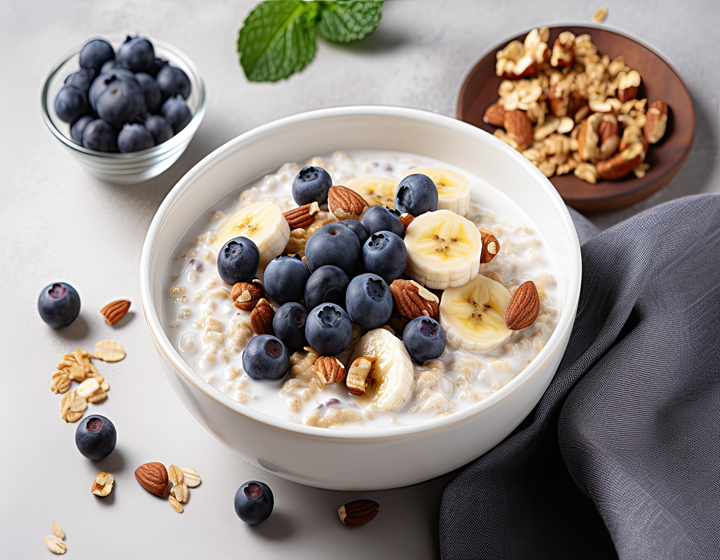
Dietary protein is the most satiating macronutrient. One study demonstrated that high-protein breakfasts induce the highest GLP-1 release in healthy adults compared to high-carbohydrate or high-fat meals.5
Ingredion's VITESSENCE® pea protein isolates and concentrates deliver protein in clean label formats that support satiety without compromising texture or taste — critical factors for creating high-protein food and beverages that consumers will enjoy.
Fiber for gut health and satiety
Fewer than five percent of adults in the United States meet daily fiber recommendations, and individuals with obesity consume even less fiber.6 This deficiency is particularly concerning for GLP-1 users who may experience gastrointestinal side effects like diarrhea (5-36% of semaglutide users) and constipation (5-37% of semaglutide users).7
Dietary fibers offer multiple benefits to GLP-1 medication users. Not all fibers act the same in our digestive tracts or have the same health benefits. Consumers on weight loss medications should talk to their healthcare providers if they are having side effects and if fibers could help with gut motility issues.
Since dietary fibers function differently, it is important to select ingredients backed by clinical evidence. HI-MAIZE® 260, a type 2 resistant starch derived from high-amylose corn, is featured in over 100 scientific studies focused on glycemic response, weight management and microbiome health. A recent study published in Nature Metabolism demonstrated that resistant starch supplementation for eight weeks helped achieve weight loss (mean −2.8 kg) and improved insulin resistance in individuals with excess body weight, with benefits associated to changes in gut microbiota composition.8
Additionally, acacia fiber has shown in clinical trials to promote satiety, reduce feelings of hunger and reduce second meal calorie intake. These prebiotic fibers not only support fullness, but also ferment in the colon to produce short-chain fatty acids, which may help modulate blood glucose levels and promote satiety.
Sugar reduction for balanced energy and taste adaptation
GLP-1 medications can alter taste preferences, making patients more sensitive to sweetness and decreasing preference for high-fat, non-sweet foods during the weight loss phase. This creates an opportunity for brands to reformulate with clean label sweeteners that deliver satisfaction without excessive added sugars.

Ingredion's clean label sweetener systems, including stevia and allulose, enable brands to reduce sugar while maintaining the taste profiles consumers expect. This approach supports nutrient-dense formulations where protein and fiber remain the heroes, while sweetness plays a subtle, complementary role rather than dominating the taste experience.
Designing foods that support portion control
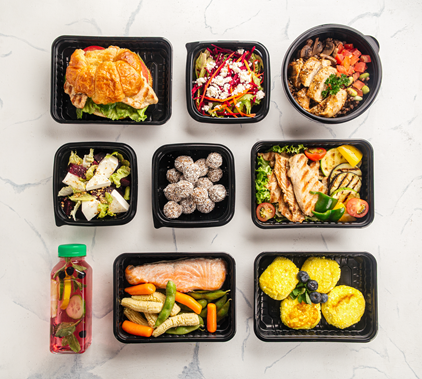
Another key to successful reformulation for the GLP-1 era is in maximizing nutrient density — delivering more protein, fiber and essential nutrients in fewer calories per bite. This approach ensures that even when consumers eat smaller portions, they still meet their nutritional requirements.
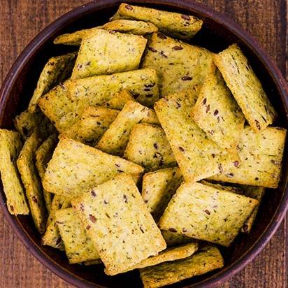
To support individuals using GLP-1 medications as well as those pursuing weight management without them, brands can focus on formulating products that deliver satiety, nutrition and convenience. Better-for-you snacks fortified with resistant starch and plant-based protein can help provide sustained energy and fullness between meals. Fiber-enhanced chips, extruded snacks and bars made with ingredients like HI-MAIZE® resistant starch not only promote satiety but also support digestive health.
High-protein bakery items present another opportunity. Portion-controlled muffins, breads and other baked goods formulated with protein isolates offer satisfying options that align with reduced appetite while maintaining nutritional adequacy. These products can help consumers meet protein needs in a convenient format.
Functional beverages provide an easy way to deliver protein and prebiotics when appetite is diminished. Protein-fortified drinks and prebiotic beverages can help bridge nutritional gaps and support hydration, which is particularly important for GLP-1 users.
Texture also plays a critical role in eating behavior. As Ingredion’s Junrui Cheng, PhD, noted in a recent Weight Management Summit interview, harder textures are associated with slower eating rates while softer textures tend to increase eating speed. By leveraging texture and ingredient design, brands can create products that encourage mindful consumption and enhance satisfaction while meeting essential nutritional needs.
Retailers are already responding to this demand. Some online marketplaces now feature dedicated filters for “GLP-1-friendly" products, automatically prioritizing items with lean protein and fiber while excluding refined carbohydrates and excess saturated fat. This trend should encourage brands to proactively reformulate to meet these emerging standards and capture shelf space in this growing category.
Innovation opportunities across categories

The principles of nutrient density, protein and fiber fortification and portion control translate across multiple food and beverage categories.
Snacks and savory categories represent significant opportunities for innovation. Pulse-based ingredients can boost protein content while adding fiber and micronutrients like iron, calcium, magnesium and zinc — nutrients of particular concern for individuals on calorie-restricted diets.
Bakeries can use resistant starches to improve the nutritional profile of traditionally indulgent products. The combination of slower digestibility and increased fiber content supports blood glucose management while promoting satiety.
Beverage categories offer versatility for protein and fiber fortification. Whether through ready-to-drink protein beverages, prebiotic-enhanced waters or functional coffee and tea products, beverages provide convenient nutrition delivery for consumers with reduced appetites.
Each category presents unique formulation challenges around texture, taste and shelf stability. Success requires ingredient partners who understand not only the science of satiety and nutrition, but also the technical requirements of commercial food production.
Guide: A fresh look at sweetness
What if sugar reduction wasn't about matching full sugar, but designing for what consumers want today? In this guide, see how changing sweetness preferences are creating new opportunities for innovation, differentiation and growth, and explore how Ingredion can help you build the best version of your product.

How Ingredion helps brands lead
Ingredion's portfolio of healthful solutions is uniquely positioned to support brands in the GLP-1 era through comprehensive ingredient solutions backed by scientific research. Our ingredient solutions address the full spectrum of reformulation needs — from sugar reduction and protein and fiber fortification to digestive health support — all within a clean label framework that meets modern consumer expectations.

— Dr. Kirstie Canene-Adams
Beyond ingredients, Ingredion provides formulation expertise spanning satiety and sensory science, regulatory compliance and texture optimization. This ensures that reformulated products don't just meet nutritional benchmarks, they also deliver the taste, texture and eating experience that drive repeat purchases and strenghten brand loyalty.
The GLP-1 era represents a fundamental shift in how consumers think about food, nutrition and wellness. For forward-thinking brands, it's an invitation to innovate and create products that support metabolic and digestive health and meet consumers wherever they are on their wellness journey.
Meet the experts
Related content and resources
As consumers adopt GLP-1 medications and shift toward smaller, nutrient-dense meals, the demand for high-protein, fiber-rich and clean-label products with less sugar is accelerating. Meeting these evolving preferences requires more than reformulation — it calls for smart ingredient choices that deliver functionality and wellness benefits without compromising on taste or texture. Discover ingredient solutions for sugar reduction, fiber enrichment and plant-based proteins to meet GLP-1-driven consumer demands.

Sugar reduction is an art and a science
Let us help you find the right ingredients for your sugar reduction and functional build-back needs
Fibers
Fiber is crucial to our health and well-being, and regular consumption can lead to many desirable health benefits

Explore the plant-protein power
Formulating with more plant proteins is a tremendous opportunity for food and beverage manufacturers to appeal to more consumers and drive brand growth
References:
- The public's use and views of GLP-1 drugs, KFF Health Tracking Poll, 2024
- Anti-obesity drug market to reach USD 82.55 billion in 2031, exclusive report by coherent market insights, 2025
- Why are we still in need for novel anti-obesity medications?, The Lancet Regional Health - Europe, 2024
- Once-weekly semaglutide in adults with overweight or obesity, The New England Journal of Medicine, 2021
- High protein intake stimulates postprandial GLP1 and PYY release, PubMed, 2013
- Closing America’s fiber intake gap, PubMed, 2016
- Recent achievements and future directions of anti-obesity medications, The Lancet Regional Health - Europe, 2024
- Resistant starch intake facilitates weight loss in humans by reshaping the gut microbiota, Nature Metabolism, 2024
- GLP-1 Receptor agonists significantly impair taste function, Science Direct, 2025
- Real-world insights into incretin-based therapy: Associations between changes in taste perception and appetite regulation in individuals with obesity and overweight: A cross-sectional study, National Library of Medicine, 2025
The INGREDION, VITESSENCE and HOMECRAFT marks and logos are trademarks of theIngredion group of companies. All rights reserved. All contents copyright © 2025.
*Product availability may vary by region. Please contact your Ingredion representative for details specific to your area.
*Ozempic and Wegovy are registered trademarks of Novo Nordisk. Mounjaro is a registered trademark of Eli Lilly.