At a glance
- Snacks are evolving from between-meal treats into purposeful eating occasions1
- Nearly one in five consumers globally report replacing a meal with a snack once a day2
- Protein remains important, but fiber, gut health and satiety are becoming major differentiators2
- Texture, freshness and enjoyment are increasingly important to snack success3
- The future opportunity may be less about creating better snacks and more about creating complete eating experiences
Definition: What is meal-like snacking?
Meal-like snacking refers to snacks designed to deliver the nutrition, satiety, convenience and eating experience traditionally associated with a meal.
Why are consumers rethinking traditional meals?
The industry has long been tracking and responding to the rise of snacking in daily eating patterns. Today, a more significant shift is underway: consumers are increasingly redefining what constitutes a meal. As eating occasions become more fluid, consumers are evaluating foods less by category and more by the outcomes they deliver, including nutrition, satiety, wellness, convenience and enjoyment. The rise of “snealing” (snacks consumed as meals) reflects a broader evolution in how consumers approach food throughout the day.2
As consumers replace traditional meal structures with flexible eating occasions, the distinction between meals and snacks becomes less important than whether a food delivers the desired nutritional, functional and emotional benefits.
What does today's consumer expect from an eating occasion?
Convenience still matters, but it is no longer enough on its own. Consumers increasingly want snacks to accomplish something specific, whether that means supporting fullness, offering a functional benefit, fitting into a busy routine or delivering a moment of enjoyment.
Innova reports that 21% of consumers globally say they are replacing meals with snacks more often, while 18% say they are replacing other foods with snacks. At the same time, 30% say healthiness is important when choosing a snack. That combination helps explain why snacks are becoming more purposeful. They are not just filling gaps in the day, they are taking on a bigger role in how consumers manage eating occasions.2

Is protein still the hero of snacking?
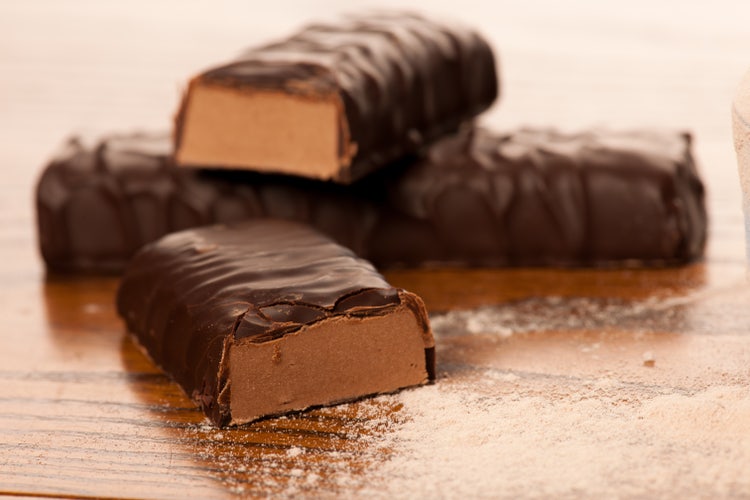
Yes, but the role of protein is evolving. Protein remains one of the strongest wellness cues in food and beverage and Innova reports that three in five consumers globally say they actively include more protein in their diet. New sweets and snacks launches featuring both protein and at least one health claim grew 42% year over year, reinforcing protein's continued relevance across formats and occasions.3
Still, protein alone may not be enough to differentiate. As snacks increasingly serve the role once occupied by meals, protein’s importance extends beyond simple nutrition to satiety, sustained energy and overall eating satisfaction. The opportunity is shifting from simply adding protein
Is fiber becoming snacking's new differentiator?
Fiber may be one of the most important ways the snacking conversation is expanding. Innova identifies gut health as a major sweets and snacks trend, with new launches carrying gut or digestive health claims growing 95% year over year. Among consumers concerned about gut health, 59% say gut health is very important for their whole body.3
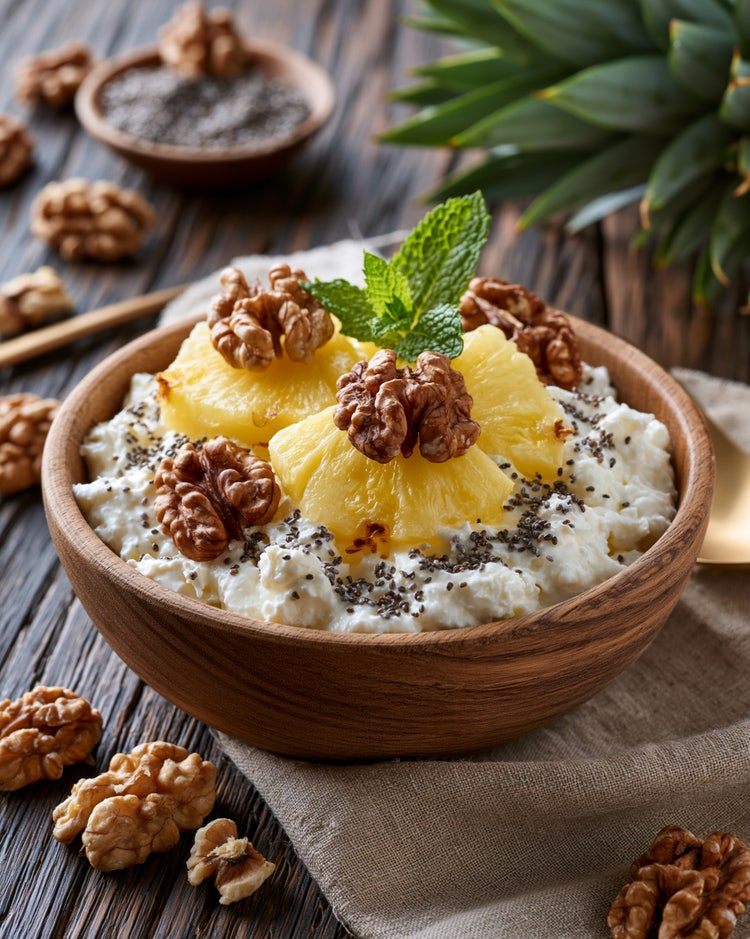
Consumers increasingly connect gut health to broader wellness outcomes, including energy, immunity, stress and weight management. As a result, fiber-rich snacks can support positioning that extends beyond digestive health. Certain fibers also offer prebiotic benefits by nourishing beneficial bacteria in the gut microbiome, enabling brands to connect fiber to broader gut wellness, satiety and overall well-being in ways that resonate with modern snacking occasions.4
As meal and snack boundaries blur, consumers are increasingly choosing foods based on the outcome they want to achieve rather than the category they belong to. Whether the goal is fullness, digestive health, energy, recovery or indulgence, foods are being evaluated by their ability to satisfy a specific need state. This creates new opportunities for brands to design products that address multiple consumer goals simultaneously.
If nutrition matters more, why does texture matter too?
The nutritional promise may get a consumer's attention, but the eating experience is what brings them back. As snacks become more functional, texture becomes even more important because it helps communicate indulgence, fullness and satisfaction.
Innova identifies creamy, crispy and crunchy as top textures that make snacks feel indulgent, and it notes that freshness cues influence salty snack choice for consumers globally. A separate Innova sweets and snacks report found that 57% of consumers globally look for interesting texture combinations in indulgent food and drink experiences.3
This is where formulation becomes more complex. Protein, fiber, sugar reduction and clean label expectations can all affect taste and texture. The winning products will not simply include the right nutrients, they will deliver those nutrients in formats that feel satisfying, enjoyable and aligned with consumer expectations.
Are consumers looking for nutrition or indulgence?
Increasingly, they are looking for both. The idea that health and indulgence sit at opposite ends of the spectrum is becoming less useful. Today's consumers often want snacks that feel permissible, purposeful and enjoyable at the same time.
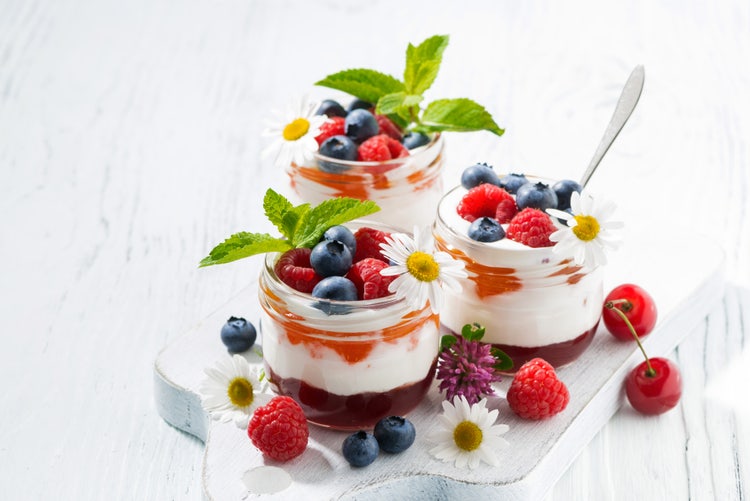
That balance matters for meal-like snacking. A snack that replaces a meal cannot feel like a compromise. It needs to offer nutritional value, but it also needs to provide the sensory and emotional rewards consumers associate with a satisfying eating occasion.
What will the next generation of snacks look like?
The next generation of snacks will likely be defined less by category and more by job to be done. A snack may need to function as a small meal, a wellness support, a mood-lifting break, a protein boost, a gut-health cue or a convenient moment of nourishment.
That could lead to more hybrid formats, such as snack mixes, bites, bars, clusters, crackers or portable bowls where every component serves a purpose. Protein may support fullness. Fiber may support gut health and satiety. Plant-based ingredients may provide naturalness and nutrient density. Texture can help create the sense of satisfaction consumers expect from a more complete eating experience.
For food manufacturers, the implication is clear: the most relevant snacks will not be built around a single claim; they will be designed as systems that balance nutrition, sensory appeal, affordability, convenience and credibility.
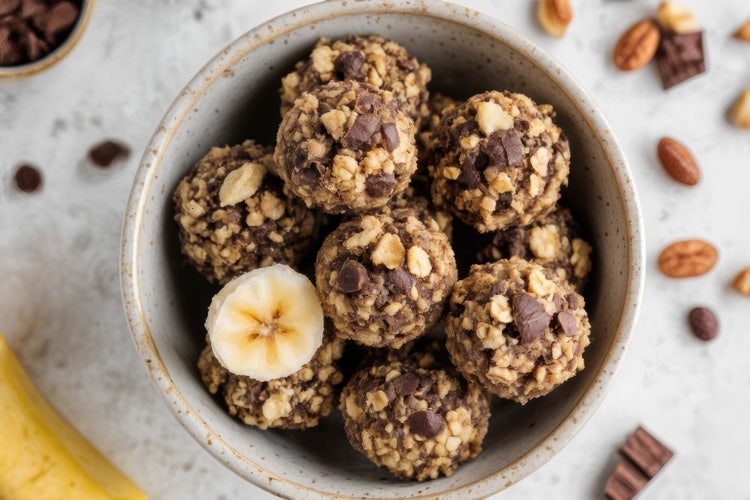
Looking forward: When snacks start acting like meals, what comes next?
The most important shift may not be that consumers are snacking more. It may be that they are holding every eating occasion to a higher standard. Whether replacing a meal with a snack, seeking a functional benefit or looking for a moment of enjoyment, consumers increasingly expect foods to deliver convenience, nutrition, satisfaction and enjoyment all at once.
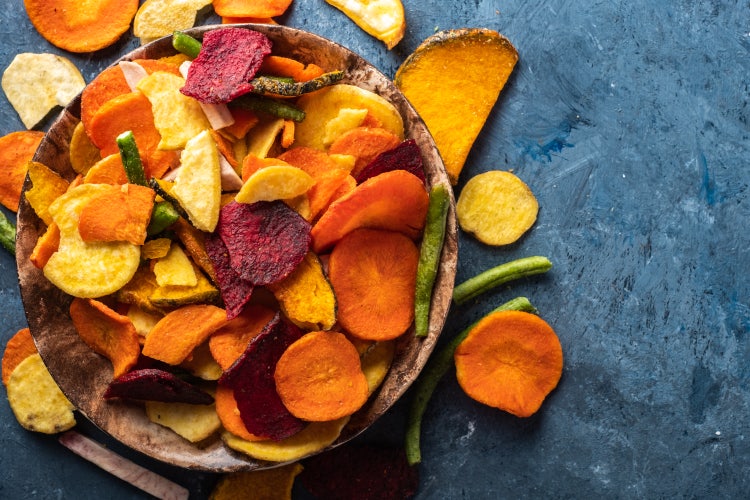
The rise of snealing reflects a broader transformation in food culture. Consumers are moving beyond traditional meal structures and organizing eating occasions around health goals, lifestyle needs and desired experiences. As a result, innovation opportunities increasingly lie at the intersection of nutrition, satiety, texture, functionality and enjoyment.
For innovators, that means thinking beyond traditional category boundaries. Success will depend less on creating products that fit neatly into a snack or meal category and more on designing foods that meet a broader set of consumer needs. Protein, fiber, gut health, satiety, texture and indulgence are no longer separate consideration. Innovation opportunities increasingly lie at the intersection of nutrition, satiety, texture, functionality and enjoyment.
When snacks start acting like meals, the question is not whether meals will disappear. It is whether consumers will continue to redefine what a meal can be. The brands best positioned for the future may be those that stop asking what makes a great snack and start asking what consumers want individual eating occasions to accomplish.
Meet the expert
Related content and resources
As consumers increasingly expect snacks to deliver nutrition, satiety and enjoyment, brands and product innovators have an opportunity to rethink how functionality, texture and wellness come together in a single eating occasion. Explore the related content below to learn how these trends are shaping the future of snack innovation.
Designing for impact: How texture complexity is reshaping food innovation
Texture is no longer a background attribute. It is a driver of satisfaction, differentiation and overall eating experience.

Create the next big crave
When snacks replace traditional meals, every bite counts. Consumers who fuel their day with smaller, more frequent eating occasions seek satisfaction, not "junk food."
The GLP-1 effect: Reformulating for high-protein, nutrient-packed demand
As GLP-1 medications reshape eating habits, brands have a unique opportunity to lead with innovative, nutrient-dense solutions that support wellness and weight management
Sources
- FMCG Gurus, Indulgence Meets Intent: The Evolution of Everyday Snacking in 2026, April 2026
- Innova Market Insights, Innovation in Snacks – Global, April 2026.
- Innova Market Insights, Top Global Trends 2026 in Sweets & Snacks, March 2026.