
At a glance
- Evolving eating patterns are creating more opportunities for snacks and bakery products to meet consumers' needs across different occasions1
- Consumers are paying closer attention to nutrition and ingredient labels, raising expectations for every bite1
- Texture, structure and sensory performance shape early and lasting perceptions1
- Formulation changes create interconnected effects that influence the full experience2
- Consistency and repeatability are becoming critical drivers of trust and loyalty
- These shifts are driving demand for multi-functional ingredient solutions that balance cost, nutrition and sensory performance at scale
Why is texture important in snacks?
In today’s bakery and snack market, every bite matters because consumers have heightened expectations for texture, consistency and nutritional value in every eating moment. As snacking occasions increase, repeatability has become a more critical driver of volume, brand loyalty and long-term growth. This shift is forcing manufacturers to rethink formulation, sensory performance and ingredient functionality at scale.
More moments, higher expectations

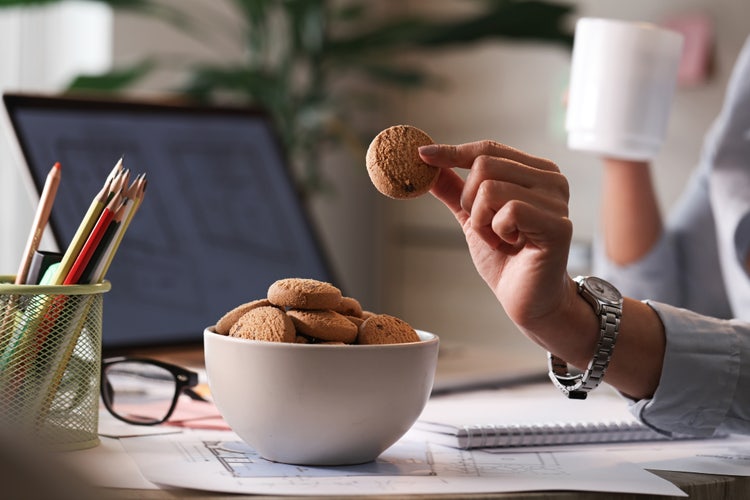
At the same time, bakery products such as biscuits, muffins and portioned sweet or savoury options are increasingly consumed in these same moments. As a result, bakery and snacks are converging in how they are used and evaluated1.
Consumption has not just increased on its own. Evaluation has increased with it. Ingredion research shows that the ingredient list and nutritional information are of increased importance to consumers in choosing what products to purchase.
Four questions shaping bakery and snack innovation right now
As consumption becomes more frequent and expectations more immediate, industry insights point to a set of questions shaping how products are designed, formulated and experienced across bakery and snacks.
1. Why does texture matter more in snack products and baked goods today?
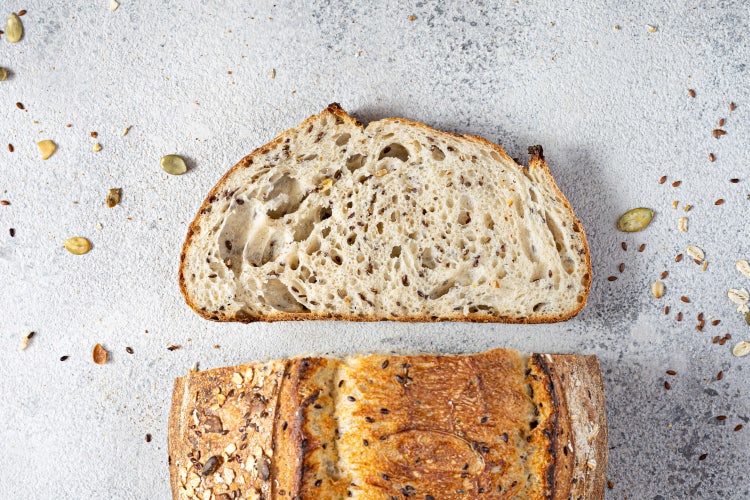
Texture is one of the strongest drivers of quality and indulgence perception across both snacks and bakery, with freshness and texture ranking among the most influential sensory cues.1 79% of global consumers believe that texture determines the overall satisfaction of the food.3
Texture has increasingly become a fast signal of quality, shaping first-bite perception and influencing brand loyalty. In bakery formats such as biscuits, muffins and soft-baked goods, texture also reinforces expectations around freshness, care and product integrity.
2. Why do simple formulation changes create complex outcomes?
Snacks and bakery products are increasingly expected to deliver nutrition, satiety and enjoyment at the same time, particularly as they take on more meal-like roles. That expectation is raising the bar for formulation decisions.
What often gets underestimated is that most ingredient changes are not one-to-one substitutions. Ingredients in bakery and snack systems tend to play multiple functional roles at once, which means changing one element can affect several parts of the product simultaneously.
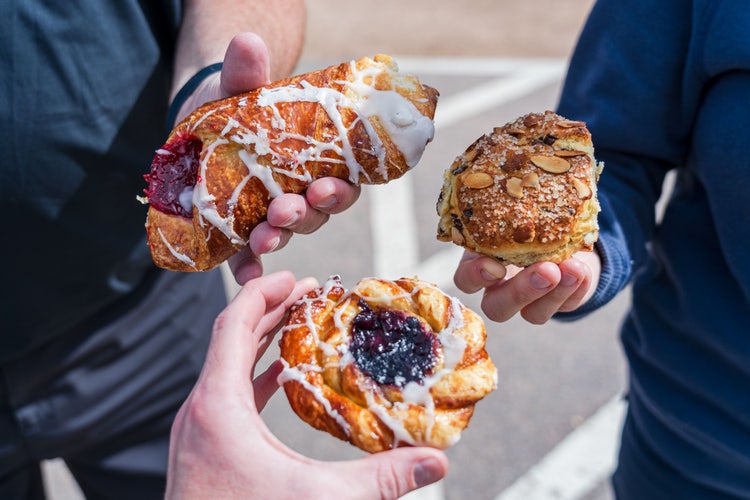
For example, sugar contributes sweetness, but it also supports structure, browning, moisture retention and shelf-life stability. Protein additions can improve nutritional relevance, yet influence texture, density and how a product evolves over time. Fibre can enhance satiety, but also change water binding, mouthfeel and perceived freshness.
Because of this, formulation changes behave less like swaps and more like system adjustments. A single change can ripple across:
- Texture and structure
- Processing performance
- Shelf-life behavior
- Sensory consistency during scaling

The challenge, then, is not simply identifying what to change; it is anticipating how that change will interact with the rest of the formulation and the eating experience as a whole.
3. What does value mean in today’s bakery and snacks market?
Value is no longer judged only at the shelf. It is confirmed in the moment of consumption and reinforced — or eroded — over repeated occasions.
As snacks and bakery products become part of everyday routines, consumers make fast, intuitive judgments about whether a product delivers on its promise. These judgments are shaped by:
- How satisfying the experience feels for the occasion
- Balance between functional performance (quality, taste, nutrition) and personal relevance (alignment with individual values, needs and lifestyle)4
- Whether texture and freshness meet expectations
- Whether the experience remains consistent over time
Sensory satisfaction, freshness cues and health relevance are central to these evaluations, especially as products are consumed more frequently and compared more often1. In bakery, value is increasingly tied to ingredient quality and everyday relevance — where whole grains, fibre and protein signal nutrition and quality, while indulgent formats justify value through sensory and emotional satisfaction.

The result is a shifting value equation. Products do not need to feel premium in every moment, but they must feel appropriate, reliable and worth purchasing. Small disappointments add up quickly, making value something that is continuously earned, bite by bite.
4. How are health and indulgence converging, not competing?
Innova research shows that snacks are increasingly evolving into nutritious, meal-like solutions, while still serving as sources of indulgence and comfort. As eating patterns shift toward smaller, more frequent occasions, consumers expect products to deliver both nourishment and enjoyment in the same moment.1
This convergence is visible in both behaviour and product development. Innova’s global consumer research indicates that 21% of consumers replace a meal with a snack once a day, while nutrition is a key consideration for more than one in four consumers when choosing snacks. At the same time, taste, texture and freshness remain among the strongest drivers of snack appeal, reinforcing that enjoyment has not become secondary1.
Together, these signals point to a higher bar for product design. Positive nutrition and indulgence are no longer separate choices consumers make at different times. They are expectations that must be met simultaneously within the same eating experience.
Success increasingly depends on treating nutrition and enjoyment as interconnected parts of the experience, rather than competing priorities.

Looking ahead: Implications for CPG innovation
As eating patterns continue to evolve, product development is becoming more interconnected, requiring manufacturers to balance sensory appeal, nutrition, label expectations, cost targets and operational performance simultaneously. Consistency is becoming just as important as first impressions, while faster innovation cycles are increasing the need for solutions that can scale with confidence. As a result, ingredient partners are increasingly evaluated on their ability to help translate complex formulation challenges into commercially viable products.
As these challenges grow increasingly complex, Ingredion works alongside manufacturers to connect consumer insights with scalable solutions across texture, healthful formulation and sensory optimisation.
Meet the expert
Related content and resources
Today's consumers expect more from every bite—from ingredient transparency and nutrition to texture and taste. Explore the resources below to see how clean label solutions, texture innovation and sugar reduction can help create snack and bakery products that keep consumers coming back.
What are clean label ingredients, and what defines simple labels?
Understanding clean label ingredients is essential in today's consumer-driven market.
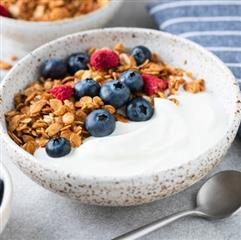
Designing for impact: How texture complexity is reshaping food innovation
Texture is no longer a background attribute. It is a driver of satisfaction, differentiation and overall eating experience.

Formulate great-tasting reduced-sugar products
Formulators have many options for reducing sugar content in their food and beverages, but it can be challenging to know which is best for a specific application.
Sources
- Innova Database and Snacking Survey, 2026
- Ingredion ATLAS proprietary consumer research, 2025
- Ingredion Proprietary Texture Study, 2025
- Hartman Group - Premiumization & Everyday Value US, 2025