
Potato starches

What is potato starch?
Potato starch is a starch extracted from potatoes and used in food manufacturing to improve texture, viscosity and moisture retention. Because of its neutral flavor and strong thickening properties, it is commonly used in sauces, batters, processed meats, baked goods and snack products.
Innovate faster and better than ever with great-tasting, gluten-free potato starches from Ingredion. Push past the expected with this versatile starch that allows you to control melt and stretch of analog cheese, improve the crunch of your french fries, save on recipe costs in processed meats or create craveable snacks with the texture consumers love.
Whatever your application, potato starches are an ideal solution for making your food and beverage products stand out on the shelves. Potato starches feature a neutral taste, high clarity, strong gelling quality and high water-retention capacity. They can also enhance appearance, mouthfeel, texture and more.
Benefit from the global reach and local knowledge of Ingredion. With our deep formulation expertise and broad range of in-demand potato texturants, we can bring the know how you need to deliver on-trend products that consumers demand. Our high-performance potato starches complement a wide portfolio of starches from other plant-based sources to ensure you have all the functionality you need to win in your market.
Potato starch at a glance
- Potato starch is a functional starch extracted from potatoes and widely used in food manufacturing to improve texture, viscosity and moisture retention
- It has a neutral flavor and clear appearance, making it ideal for sauces, soups, dressings and fruit preparations
- Potato starch delivers strong thickening and gelling properties, helping create smooth textures and stable formulations
- Food manufacturers use potato starch to enhance crispiness in batters and coatings, retain moisture in meats and improve texture in baked goods and snacks
- It is naturally gluten-free and compatible with clean-label formulations, supporting a wide range of dietary and labeling requirements.
Benefits of potato starch in food formulations
Potato starch provides a range of functional benefits that help food manufacturers improve texture, stability and processing performance across a variety of applications. Because of its large starch granules and high water-binding capacity, potato starch delivers strong viscosity and excellent gelling properties.
Key benefits of potato starch include:
- Neutral taste: Potato starch has minimal flavor impact, allowing the natural taste of the finished product to remain unchanged
- Strong thickening and gelling ability: It develops high viscosity and creates smooth, cohesive textures in sauces, soups and fillings
- Excellent water-binding capacity: Potato starch helps retain moisture, improving yield and juiciness in applications such as processed meats and baked goods
- Clear appearance: It produces clear, glossy finishes in products like fruit preparations, soups and coatings
- Clean-label compatibility: Native potato starch can support simple ingredient lists while delivering reliable functionality
- High process tolerance: Potato starch performs well across a range of processing conditions, including heating and mixing
Common uses of potato starch in food products
Thanks to its strong thickening properties and neutral flavor, potato starch is widely used across many food and beverage categories. Its ability to enhance texture, improve moisture retention, and stabilize formulations makes it valuable for modern product development.
Common applications include:
- Batters and coatings for crispy fried foods
- Processed meats and meat alternatives
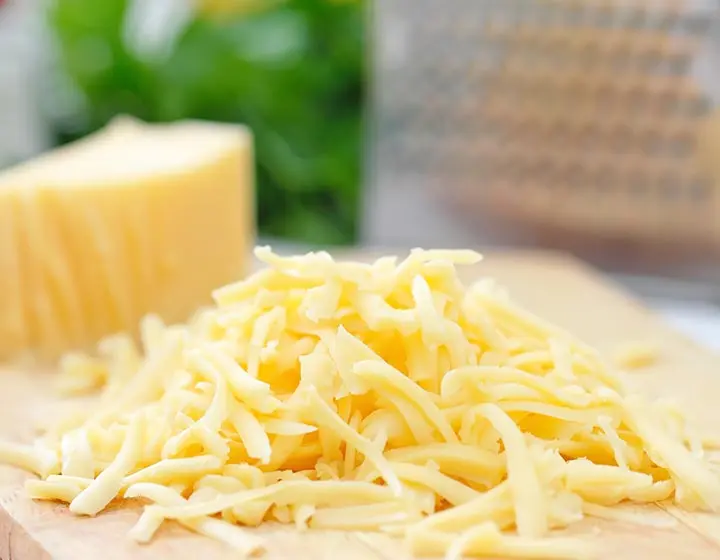
- Processed and imitation cheeses
- Sauces, soups and gravies
- Baked goods and gluten-free baking
- Snacks and extruded products
- Dressings and fillings
- Noodles and pasta
- Pet food formulations
These applications benefit from potato starch’s ability to deliver consistent viscosity, improved texture, and appealing sensory qualities.
Why food manufacturers use potato starch
Food manufacturers choose potato starch because it delivers reliable functional performance while supporting consumer demand for clean label and gluten-free ingredients.
Developers often select potato starch when they need:
- Strong thickening and viscosity control in sauces, soups and dressings
- Improved moisture retention in meats, bakery and savory products
- Crispy textures in batters and coatings
- Elastic textures in noodles and pasta
- Clean label starch solutions that maintain product quality
Its versatility, neutral flavor and strong functional properties make potato starch a valuable ingredient for improving texture stability and overall product quality.
Ingredion solutions for key applications
With Ingredion, you have starches from potato and other major plant sources to differentiate your products, including:
- A broad portfolio of in-demand clean label and non-GMO native potato starches (PENPURE® starches)
- A wide range of non-GMO modified potato starches
- Differentiated technologies for:
Discover the supreme versatility of potato starches
Differentiate your products with great taste, texture and nutrition. Choose potato starches for:
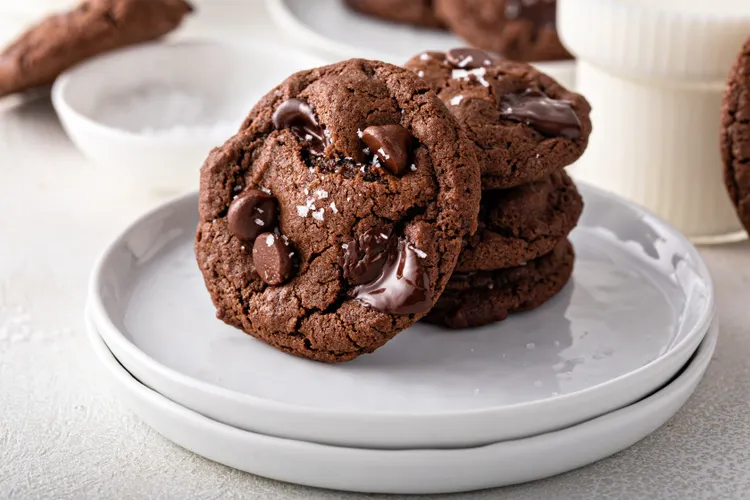
- Replacing eggs to save money and retain or enhance quality in bakery (moistness, crumb) and savory (viscosity, appearance)
- Reducing fat and calories in bakery
- Replacing phosphates, retaining juiciness and firm textures in meats and replacing fats in ground meats
- Enriching fiber and reducing calories in bakery, snacks and cereals with a potato-based resistant starch supplementing Ingredion’s broad fiber portfolio
- Replacing gelatin to enhance cost savings, improve appearance, and achieve kosher and halal certification in confectionery
- Developing grain-free pet food solutions for premium products
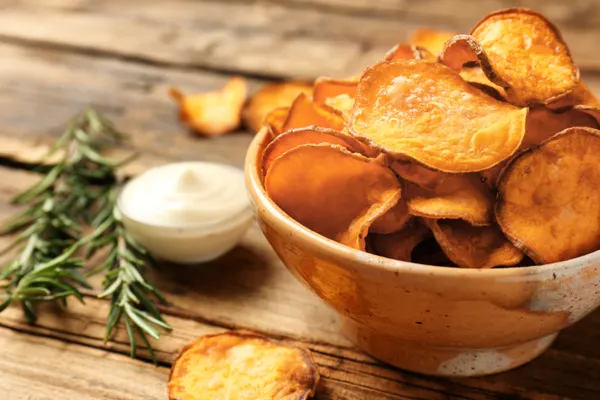
- Enhancing snack texture for excellent expansion and crispiness
- Creating noodles with elastic texture and quick hydration
Potato starches open the door for new claims and functionalities
Claims
- Non-GMO, clean label (native potato starches) and modified potato starches
- Gluten-free at the source
Functionalities
Functionalities complementary to other starches
- Superior gelling properties with greater elasticity and clean meltaway
- Excellent water-holding capacity of large starch granules, allowing for higher viscosity
- Homestyle textures for high-quality, on-trend finished foods
- High viscosity development for energy savings and product quality
Additional functionalities
- Low protein and fat lipid content with no impact on flavor in the formulation
- A clear, transparent color for clear-coat fries, fruit preparations and some soups and sauces
Ingredion is the largest supplier of USA-made specialty potato starches for food applications
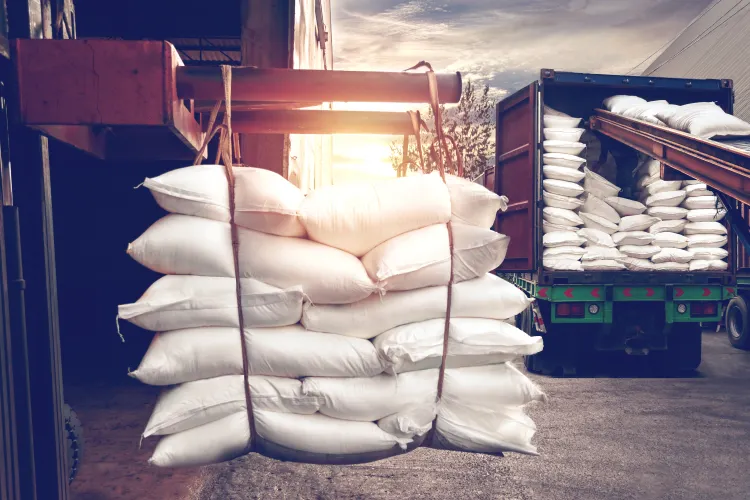
Choose Ingredion potato starches to tap into decades of potato expertise, including the legacy of Penford and Western Polymer. With five U.S. potato plants and a presence in more than 120 countries, Ingredion can help you get more from this highly adaptable ingredient. Potato starches can also support your sustainability goals by repurposing potato trimmings as raw materials.
Here are just a few of our potato innovations

Functional native starches
Clean labels go hand-in-hand with quality food products. Our clean label functional native starches can be added to simple ingredient listings because they're naturally derived without any chemical modification.
This line of non-GMO and minimally processed starches provides texture and stability in formulations like sauces, soups and baked goods.
Modified starches
Modified starches are altered to enhance their functional properties and maximize stability both on the shelf and in the freezer.
Depending on the type of food product, benefits can include enhanced thickening, gelling and freeze-thaw stability.
Additionally, starches are an essential part of creating consistent, high-quality textures.

Explore specialty starches

Tapioca starch
Tapioca starch is a gluten-free ingredient derived from the cassava root and has a neutral taste.
Particularly useful in gluten-free products, it provides a chewy texture in baked goods and a clear, glossy finish in sauces.

Rice starch
Consumers generally regard rice starch as a health ingredient because it's both hypoallergenic and easily digestible.
Rice starch has a smooth texture and adds stability to emulsified formulations like baby foods and sauces.

Pea starch
Pea starch, derived from yellow peas, is a popular ingredient for clean label claims.
It's rich in amylose and protein, making it an excellent additive for brands creating plant-based and high-protein products.
Explore functional starches
Maximize the flexibility of your food products with an ingredient that performs in a range of applications. Starch is an essential part of refrigerated, frozen and shelf-stable foods, not to mention a major component of industrial applications.

Starches
Enhance your food and beverage formulations with Ingredion's starches. Achieve premium texture and taste while meeting consumer preferences for affordability.

Create indulgent textures, improve nutrition and drive revenue
Enhance the texture and mouthfeel in foods to increase indulgence, improve quality, drive revenue, provide superior stability and have a high process tolerance with NOVATION® Indulge co-texturizing starches.

NOVATION® Lumina functional native starches
Meet consumer demand for clean labels without compromising flavor, color, texture or performance.
FAQ
What is potato starch?
Potato starch is a starch extracted from potatoes and used in food manufacturing to thicken, stabilize and improve texture in a wide variety of products. It has a neutral flavor and strong gelling properties, making it useful in sauces, baked goods, snacks and processed foods.
What is potato starch used for?
Potato starch is used to improve viscosity, moisture retention and texture in food products. Common applications include sauces, soups, batters, processed meats, baked goods, noodles, snacks and dressings.
Is potato starch gluten-free?
Yes. Potato starch is naturally gluten-free because it is derived from potatoes rather than grains like wheat, barley or rye. This makes it suitable for gluten-free food formulations.
What are the benefits of potato starch in food products?
Potato starch provides strong thickening ability, excellent water-binding capacity and a neutral taste. These properties help improve texture, stability and moisture retention in a variety of food applications.
What foods commonly use potato starch?
Potato starch is commonly used in sauces, soups, gravies, batters and coatings, processed meats, baked goods, snacks, noodles and dressings to improve texture and stability.
How is potato starch different from other starches?
Potato starch has larger granules and higher water-binding capacity than many other starches. This allows it to create strong viscosity, smooth textures and excellent moisture retention in food formulations.
Let’s make your goals a reality
Agile collaboration. Deep formulation expertise. Broad portfolio of in-demand ingredients. Market research and consumer insights.
*Only products that have formally applied to Monash University’s Low FODMAP certification program may claim to be Monash Low FODMAP Certified. The application process to Monash University includes undergoing lab analysis to confirm FODMAP compliance. Monash University Low FODMAP Certified Trademarks are used under license in the United States by Ingredion Incorporated.
The information described above is offered solely for your consideration, investigation and independent verification. It is up to you to decide whether and how to use this information. Ingredion Incorporated and the Ingredion group of companies make no warranty about the accuracy or completeness of the information contained above or the suitability of any of their products for your specific intended use. Furthermore, all express or implied warranties of noninfringement, merchantability or fitness for a particular purpose are hereby disclaimed. Ingredion Incorporated and the Ingredion group of companies assume no responsibility for any liability or damages arising out of or relating to the foregoing.